
Upcoming Septic Trends 2026: What Homeowners Must Know
Discover the upcoming septic trends 2026 that every homeowner needs to know. From smart monitoring to eco-friendly systems, stay informed today!

The upcoming septic trends 2026 brings are defined by three forces: smart IoT monitoring, advanced nutrient removal, and climate-resilient system design. These are not incremental upgrades. They represent a structural shift in how septic systems are built, monitored, and regulated across the United States. The industry is moving away from passive “install-and-forget” systems toward active Aerated Wastewater Treatment Systems (AWTS) that deliver measurable performance data and regulatory compliance. For homeowners in Alamance County and property developers across North Carolina, understanding these shifts now means better decisions, lower long-term costs, and access to grant funding before deadlines close.
1. What are the biggest upcoming septic trends 2026 homeowners should know?
The septic industry in 2026 is shaped by four converging forces: tighter regulations, smarter technology, stronger environmental standards, and aging infrastructure that can no longer meet modern demands. Each trend below addresses one of these pressures directly. Together, they form a clear picture of where the industry is heading and what choices you face as a homeowner or developer.
2. Smart IoT monitoring is replacing guesswork
IoT-enabled monitoring systems now provide real-time hazardous gas detection, flow rates, and system performance metrics directly to your phone or a service provider’s dashboard. That means a technician can identify a developing fault before it becomes a $15,000 drainfield replacement.
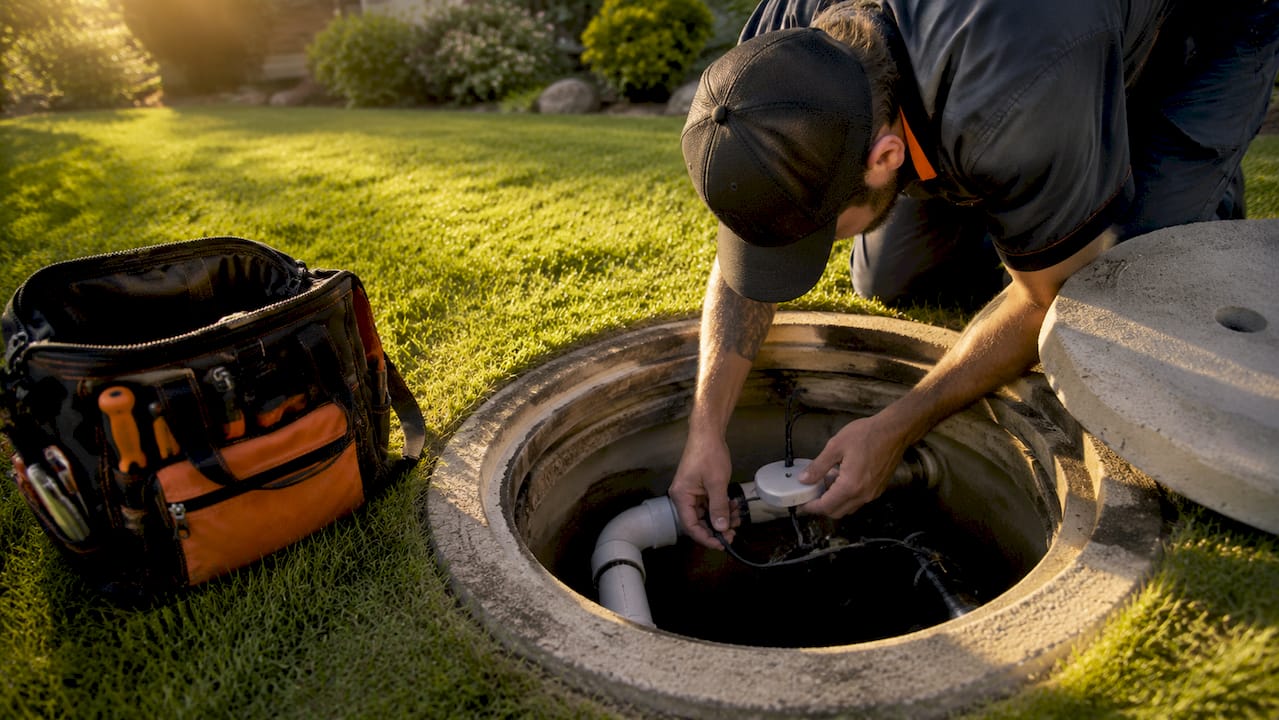
The shift from reactive to proactive servicing is the single most valuable change in septic maintenance right now. Smart technology enables predictive maintenance, which reduces system failures and eliminates the emergency call premium that catches most homeowners off guard.
Key capabilities of smart septic monitoring in 2026:
- Real-time alerts for abnormal flow, pump failures, or gas buildup
- Remote diagnostics that reduce unnecessary service visits
- Usage tracking that flags household habits causing system stress
- Automated reporting for regulatory compliance documentation
Pro Tip: When selecting a new system or upgrading an existing one, ask your installer whether the control panel is compatible with third-party IoT sensors. Future-proofing your system now costs far less than retrofitting later.
For homeowners with conventional septic tanks, adding a smart monitoring layer is often possible without full system replacement.
3. Nutrient removal technology now exceeds 95% efficiency
Modern nutrient-removal septic systems now achieve nitrogen and phosphorus removal rates exceeding 95%. That figure matters because conventional systems remove roughly 30–50% of nitrogen before effluent reaches groundwater. The gap between those two numbers is the difference between a healthy aquifer and a contaminated one.
The technologies driving this performance include:
- Recirculating sand filters that pass effluent through biological media multiple times
- Constructed wetlands that use natural plant and microbial processes for treatment
- Advanced biological treatment units that combine aerobic and anaerobic processing stages
These systems align directly with climate resilience goals. Groundwater contamination from nitrogen runoff is a documented driver of algal blooms and drinking water degradation. Upgrading to a high-efficiency system protects your property value and your neighbors’ water supply simultaneously. Explore eco-friendly septic solutions if you want a full breakdown of what these systems look like in practice.
4. Regulations and grants are reshaping upgrade timelines
Long Island’s nitrogen-reducing septic mandate is the clearest example of where American regulation is heading. Homeowners in affected areas must replace cesspools and conventional systems with advanced nitrogen-reducing technology on a defined schedule. Grant funding in these programs can cover up to $30,000 of replacement costs. That is a significant offset against a project that typically runs $10,000–$30,000 depending on system type and site conditions.
North Carolina homeowners face their own evolving regulatory picture. Inspection cycles are tightening, and cesspool phase-out policies are expanding in environmentally sensitive areas. The North Carolina septic regulations 2026 guide outlines current compliance requirements for Alamance County and surrounding areas.
The financial case for acting early is straightforward:
- Grant programs have application windows. Missing them means paying full cost.
- Proactive upgrades let you choose your contractor and system type.
- Waiting for system failure removes your options and increases costs significantly.
- Emergency replacements rarely qualify for grant funding.
“Homeowners who upgrade proactively retain control over system selection, contractor choice, and grant eligibility. Those who wait for failure lose all three.” — Regulatory guidance summary, Long Island nitrogen-reducing mandate programs
5. Climate-resilient design is now a baseline requirement
Septic system failures during heavy rain events are not random. Solids surges during high-water events are the leading cause of drainfield collapse. Surge-proof filtration and time-dose controls prevent premature failure by managing the rate and volume of effluent entering the drainfield during peak flow periods.
The 2026 design standard for flood-prone and high-rainfall properties includes several layers of protection:
Surge-proof filtration captures solids before they reach distribution lines. Time-dose controls release effluent in measured intervals rather than continuous flow. High-water alarms alert homeowners before saturation becomes irreversible. Raised irrigation areas and pump stations redirect effluent away from saturated soil zones.
Pro Tip: If your property sits in a low-lying area or has a history of slow drainage after heavy rain, request a site-specific hydraulic loading assessment before any new installation. This single step prevents the most common and costly design errors.
| Design feature | Problem it solves | Best for |
|---|---|---|
| Surge-proof filtration | Solids overload during rain events | High-rainfall and flood-prone sites |
| Time-dose controls | Drainfield saturation | All new installations |
| High-water alarms | Silent system overload | Properties near water tables |
| Raised irrigation areas | Saturated soil zones | Low-lying or clay-heavy lots |
Learning how to prevent septic failure before it becomes an emergency is the most cost-effective decision any homeowner can make in 2026.
6. UV disinfection unlocks options for constrained properties
Advanced treatment units combined with UV disinfection now allow surface discharge on properties where conventional drainfield installation is impossible. This is a direct solution for small lots, rocky terrain, and sites with high water tables that previously had no compliant path forward.
The Advantex system with UV disinfection is one documented example of this technology operating in North Carolina. It meets regulatory discharge requirements without requiring a large drainfield footprint. For property developers working on constrained urban infill sites or rural lots with difficult soil profiles, this technology removes what was previously a hard stop on development.
The combination of biological treatment and UV disinfection also produces effluent quality that exceeds standard secondary treatment benchmarks. That matters for properties near sensitive waterways or in areas with strict discharge permits.
7. Automated bacterial maintenance cuts solids buildup dramatically
Automated bacterial maintenance products reduce suspended solids by 69%–98% in septic systems aged 15–40 years over approximately two months. That range reflects real-world variation across system age, usage patterns, and soil conditions. Even at the low end, a 69% reduction in suspended solids is the difference between a system heading toward failure and one operating within normal parameters.
This category of septic system innovation 2026 is particularly relevant for homeowners with older systems who are not yet ready for full replacement. Automated dosing systems introduce beneficial bacteria on a timed schedule, maintaining biological activity without manual intervention. The result is extended system life and reduced pumping frequency.
8. Safety hardware is getting a long-overdue upgrade
Lift-to-access safety gates permanently installed on risers reduce human error during pumpouts and routine maintenance. The traditional method of removing and replacing safety grids creates consistent opportunities for error, particularly under time pressure during service calls.
This is a small change with a meaningful safety impact. Permanently mounted gates stay in place between service visits, preventing accidental falls into open tanks. They also speed up service calls by eliminating the grid removal step entirely. For property managers overseeing multiple units, this hardware upgrade reduces liability exposure at minimal cost.
9. Comparing the key septic system innovations 2026 offers
Not every trend applies to every property. The table below helps you match the right technology to your situation.
| Technology | Best use case | Typical cost range | Grant eligible |
|---|---|---|---|
| IoT smart monitoring | All system types | Low add-on cost | Varies by region |
| Advanced nutrient removal | Near waterways or regulated zones | $15,000–$30,000 | Yes, up to $30,000 |
| Surge-proof filtration | Flood-prone or high-rainfall sites | Moderate upgrade cost | Sometimes |
| UV disinfection with ATU | Small or constrained lots | $20,000–$35,000 | Yes in some states |
| Automated bacterial dosing | Aging systems 15–40 years old | Low ongoing cost | Rarely |
Sustainable septic practices in 2026 are not a single technology. They are a combination of the right system for your site, the right monitoring tools, and the right maintenance schedule. Reviewing your types of septic systems options with a qualified installer is the fastest way to identify which of these trends applies directly to your property.
Key takeaways
The most effective approach to septic upgrades in 2026 combines smart monitoring, advanced nutrient removal, and climate-resilient design to reduce costs, meet regulations, and protect groundwater.
| Point | Details |
|---|---|
| IoT monitoring prevents failures | Real-time alerts and remote diagnostics catch faults before they become drainfield replacements. |
| Nutrient removal exceeds 95% | Advanced systems protect groundwater far beyond what conventional septic achieves. |
| Grants cover up to $30,000 | Proactive upgrades qualify for funding that emergency replacements typically do not. |
| Surge-proof design is now standard | Time-dose controls and filtration prevent the leading cause of drainfield collapse. |
| UV disinfection solves constrained sites | Properties without room for drainfields now have a compliant surface discharge option. |
What I’ve learned after years of watching homeowners wait too long
The pattern I see most often is this: a homeowner knows their system is aging, notices the early signs, and decides to wait one more season. Then a heavy rain hits, the drainfield saturates, and suddenly they are looking at an emergency replacement with no time to research options, no grant application filed, and no leverage with contractors because the job has to happen immediately.
The septic trends to watch in 2026 are not abstract. They are practical tools that reduce exactly that kind of risk. Smart monitoring gives you warning time. Surge-proof filtration buys you seasons. Grant programs give you financial breathing room. But all three require you to act before the failure, not after.
The homeowners I see make the best decisions are the ones who treat their septic system like a major appliance with a known lifespan. They schedule assessments, ask about upgrade options during routine service calls, and check grant eligibility before they need it. That mindset is worth more than any single technology on this list.
The hardest part of my job is not the technical work. It is convincing someone that the $500 assessment they are avoiding will save them $20,000 in two years. If you are reading this article, you are already ahead of most people. Use that advantage.
— Jason
How Jmseptic helps you navigate 2026 septic upgrades
Jmseptic serves homeowners and property developers across Alamance County, Burlington, Mebane, Graham, and the surrounding Piedmont Triad area. Whether you are planning a new installation or evaluating an aging system against 2026 regulatory requirements, Jmseptic brings hands-on expertise in both conventional and advanced treatment systems.

The NC homeowner installation guide covers system types, site requirements, and cost factors specific to North Carolina properties. If you are weighing the financial side of an upgrade, the cost factors for septic installation page breaks down what drives pricing in this region. Call Jmseptic for a site assessment before your next maintenance cycle. Getting ahead of the 2026 changes is easier than catching up after them.
FAQ
What is the biggest septic system change in 2026?
The shift from passive systems to active Aerated Wastewater Treatment Systems (AWTS) with IoT monitoring is the defining change in 2026. Stricter regulations and sustainability demands are driving this transition across the United States.
How much grant money is available for septic upgrades?
Grant funding in regions like Long Island can cover up to $30,000 for nitrogen-reducing system replacements. Eligibility depends on location, system type, and application timing.
Can I add smart monitoring to my existing septic system?
Yes, many existing systems can be retrofitted with IoT sensors for real-time monitoring without full replacement. Compatibility depends on your current control panel and tank access points.
What causes most drainfield failures?
Solids surges during high-water events are the leading cause of drainfield collapse. Surge-proof filtration and time-dose controls are the primary engineering solutions for this problem.
What if my property is too small for a conventional drainfield?
Advanced treatment units combined with UV disinfection now allow surface discharge on constrained sites, including small lots and properties with high water tables. This technology meets regulatory discharge standards without requiring a large drainfield footprint.