
The Role of Septic Vent Pipes: A Homeowner’s Guide
Discover the crucial role of septic vent pipes in your home's plumbing. Learn how they keep your system running smoothly and safely.

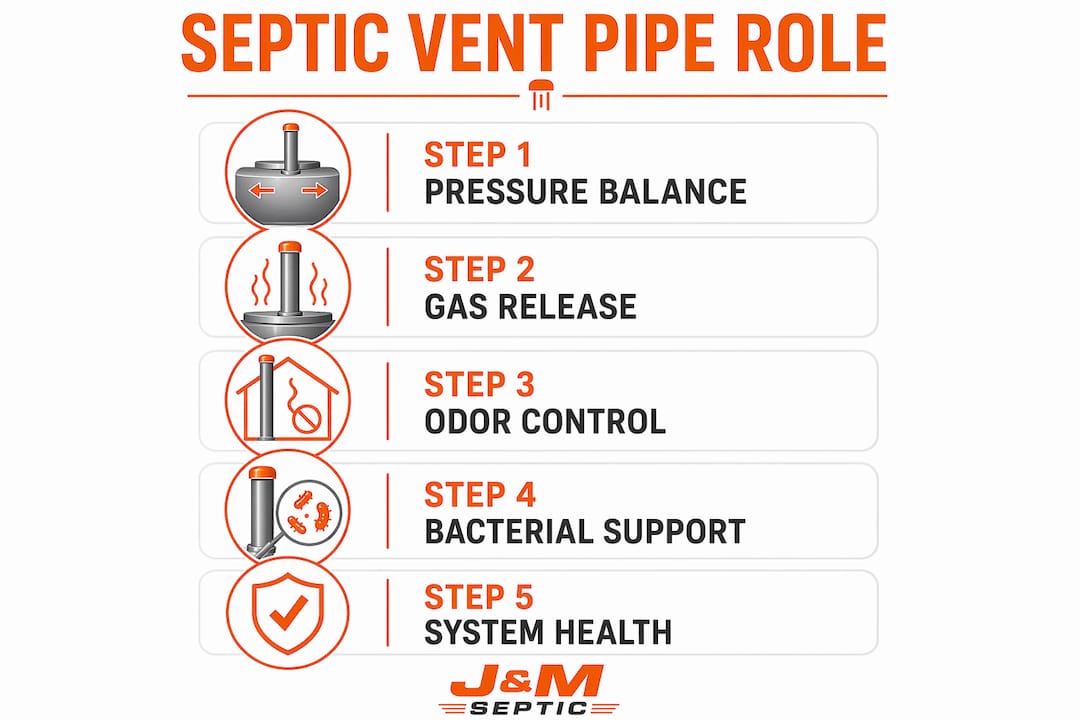
Septic vent pipes are defined as the pressure-balancing and gas-release components of your home’s septic system, and without them, your plumbing would fail within days. The role of septic vent pipes covers two jobs at once: equalizing air pressure inside the drain lines so water flows freely, and safely channeling dangerous gases like methane and hydrogen sulfide out of your home and into the open air. Plumbing codes treat venting as a non-negotiable system requirement, not an optional upgrade. Every homeowner with a septic system needs to understand how these pipes work, what happens when they fail, and how to keep them clear year-round.
What is the role of septic vent pipes in your system?
Septic vent pipes solve a physics problem that most homeowners never think about. When water drains through your pipes, it pushes air ahead of it and creates negative pressure behind it. Without a vent to let fresh air in, that negative pressure acts like a vacuum and siphons water out of your drain traps. Empty traps mean sewer gases travel straight into your living space.
The function of septic vents goes beyond pressure control. Waste inside a septic tank produces gases continuously as bacteria break down solids. Those gases need a path out. Vents provide that path, directing gas upward and out through the roof or a ground-level outlet rather than back through your drains.
Venting also supports bacterial decomposition by maintaining the right gas exchange inside the tank. Healthy bacteria need that balance to keep processing waste efficiently. Disrupt the gas exchange and you disrupt the biology that makes your septic system work.
Types of vent pipes and where they go
Most homes use two types of vents:
- Plumbing vent stacks: These run up through the interior walls and exit through the roof. They serve both the home’s drain lines and the septic system simultaneously.
- Dedicated tank vents: Some systems include separate vent pipes at the tank itself or at the drain field. These are common in older installations or systems with longer pipe runs.
Standard vent pipes measure 3 to 4 inches in diameter and should be placed within 23 feet of the septic tank for effective airflow. That sizing is not arbitrary. A pipe narrower than 3 inches restricts gas flow and creates the pressure imbalances vents are designed to prevent.
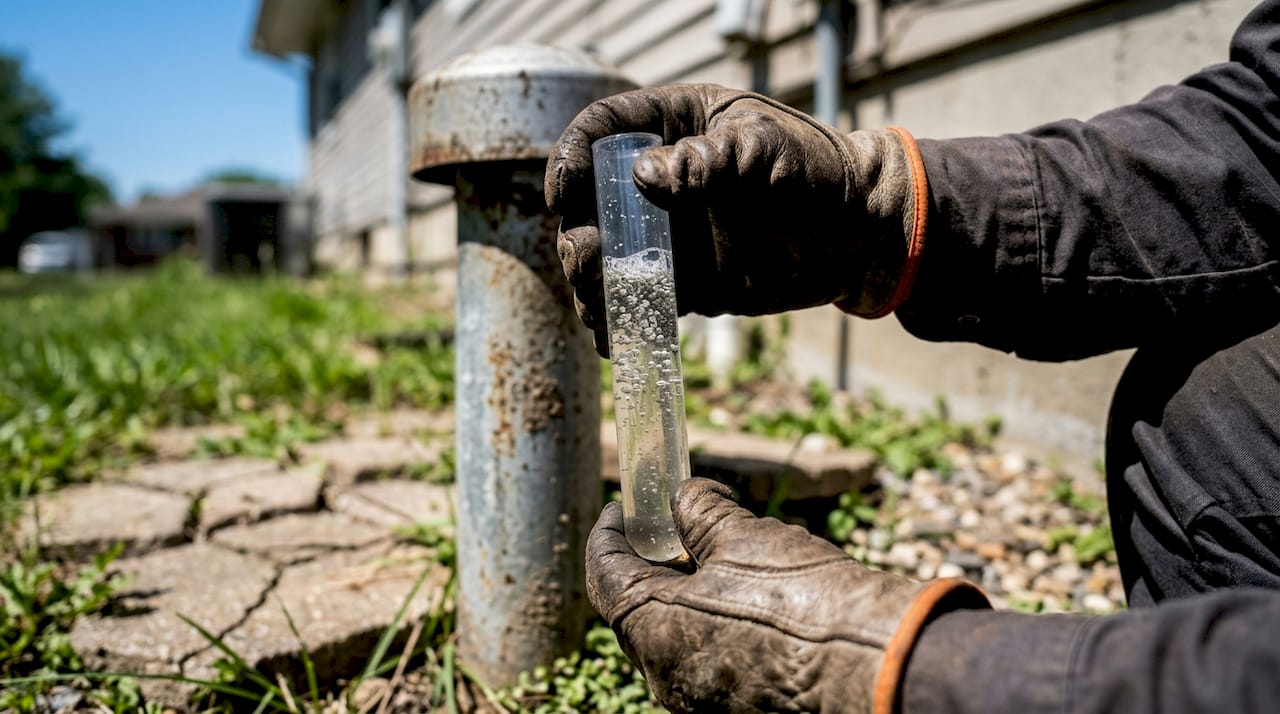
Pro Tip: If you are not sure whether your home has a dedicated tank vent in addition to the roof stack, walk your yard and look for a capped pipe near the tank or drain field. That cap protects the vent opening from debris while still allowing gas to escape.

Why are septic vents essential for health and system performance?
A blocked or missing vent does not just cause a bad smell. Proper venting is mandated by codes precisely because the consequences of failure range from plumbing dysfunction to genuine health hazards. Methane is flammable. Hydrogen sulfide is toxic at high concentrations. Both gases accumulate fast in an enclosed space when venting fails.
The physical effects on your plumbing show up quickly:
- Gurgling drains: The gurgling sound you hear is air being pulled through the water in your trap because no vent is supplying air from above.
- Slow drainage throughout the house: Negative pressure restricts flow in every drain connected to the blocked vent line.
- Siphoned trap water: Once a trap loses its water seal, sewer gas enters the room directly. You may notice a rotten egg smell even when no drain is in use.
- Structural tank damage: Gas pressure that cannot escape through a vent builds inside the tank. Over time, that pressure stresses the tank walls and lid.
“Blocked vent pipes allow offensive and hazardous gases to back up indoors, signaling urgent need for repair.” — Septic Tank Vent Pipe Repair
The importance of septic ventilation also shows up in a less obvious way. Slow drainage after a tank pumping is a common complaint. Homeowners assume the tank needs service again. The real cause is often a compromised vent pipe limiting gas escape and disrupting the aerodynamic balance that lets water drain freely. Fixing the vent solves the problem without any additional pumping.
Indoor sewer odors signal urgent vent failure and should never be dismissed as a minor inconvenience. If you smell sulfur inside your home, treat it as a system alert and call a professional the same day.
What causes vent pipe problems and how does winter make them worse?
Vent pipes are exposed to the elements year-round, which makes them vulnerable to blockages that have nothing to do with the septic tank itself. Knowing the common causes helps you catch problems before they become expensive.
- Leaf and debris buildup: Roof vent stacks collect leaves, twigs, and seed pods. A partial blockage reduces airflow. A full blockage stops it entirely.
- Bird and rodent nests: Animals find vent openings attractive for nesting. A nest inside a vent pipe creates a complete seal and causes immediate drainage problems.
- Winter ice formation: In cold climates, vent pipes can freeze at the outlet, forming an ice cap that blocks gas release entirely. This is a common cause of gurgling drains in winter despite a perfectly healthy septic tank.
- Root intrusion: Ground-level vents near trees can be invaded by roots over several years, slowly restricting the pipe from inside.
- Physical damage: Lawn equipment, falling branches, and freeze-thaw cycles can crack or dislodge vent caps and pipe sections.
Winter deserves special attention. Ice buildup obstructs vent outlets and creates pressure imbalances that look exactly like a septic system malfunction. Before you call for an emergency pump-out in january or february, check whether your roof vent is iced over. Clearing the ice often resolves the gurgling and slow drainage immediately.
Pro Tip: Install a mesh vent cap on roof stacks to block birds and debris without restricting airflow. Replace standard caps with insulated versions in areas that regularly drop below freezing. Both upgrades cost under $30 and prevent the most common vent blockages.
How do you inspect and maintain septic vent pipes?
Regular inspection and clearing of septic vent pipes prevents system failure and keeps your plumbing running efficiently. Most homeowners can handle routine checks themselves. The key is making vent inspection a scheduled habit rather than a reaction to problems.
Here is what a basic vent maintenance routine looks like:
- Visual roof inspection twice a year: In spring and fall, look at your roof vent stacks from the ground with binoculars. Check for debris, visible nests, or ice damage to the cap.
- Ground-level vent check: Walk to any dedicated tank vents in your yard. Confirm the cap is intact, the pipe is upright, and no soil or vegetation has grown over the opening.
- Drain behavior monitoring: Pay attention to how your drains sound and flow. Gurgling or slow drainage that appears in multiple fixtures at once points to a vent issue, not a clog in a single drain line.
- Post-storm inspection: After heavy wind or ice storms, check vent caps for damage or displacement.
For clearing a blocked vent, a plumber’s snake fed down from the roof opening removes most debris and nest material. Flushing the pipe with a garden hose after snaking confirms the blockage is gone. Do not use chemical drain cleaners in vent pipes. They do not dissolve nests or ice, and they can damage pipe materials.
Ignoring vent maintenance leads to odors, slow drainage, and pipe damage that requires professional repair. The cost of a professional vent inspection is a fraction of what a full system repair runs. Integrate vent checks into your overall septic maintenance plan alongside tank pumping and drain field inspection.
Pro Tip: If you notice odor issues inside your home that come and go with weather changes, a partially blocked vent is the most likely cause. Temperature shifts change gas pressure inside the system, and a partial blockage that holds in warm weather often fails in cold.
When to call a professional: contact a septic technician if you smell sewer gas indoors, if multiple drains gurgle simultaneously, or if a visual inspection reveals a cracked or collapsed vent pipe. These are not DIY repairs. Compromised vent pipes that allow gas indoors require immediate attention.
Key Takeaways
Septic vent pipes are the pressure and gas management backbone of your system, and neglecting them causes failures that affect both plumbing performance and household safety.
| Point | Details |
|---|---|
| Core function | Vent pipes balance air pressure and release methane and hydrogen sulfide safely outside the home. |
| Standard sizing | Pipes should be 3 to 4 inches in diameter and placed within 23 feet of the tank for proper airflow. |
| Failure signs | Gurgling drains, slow flow in multiple fixtures, and indoor sewer odors all indicate a vent problem. |
| Winter risk | Ice caps on vent outlets cause pressure imbalances that mimic septic tank failure in cold months. |
| Maintenance habit | Inspect vent caps twice a year and after major storms to catch blockages before they cause damage. |
What years of septic work taught me about vent pipes
Vent pipes are the most misunderstood part of any septic system. Homeowners call about slow drains, gurgling toilets, and mystery odors. They assume the tank is full or the drain field is failing. A significant number of those calls trace back to a blocked or damaged vent pipe. The fix takes an hour. The delay in calling costs weeks of frustration.
The misconception I hear most often is that vent pipes are just for smell control. That framing causes homeowners to treat vent problems as a comfort issue rather than a system issue. When a vent fails, the entire drain system loses its pressure balance. Water does not flow right. Traps lose their seals. Bacteria in the tank lose the gas exchange they need to break down waste. The whole system degrades, not just the odor situation.
Proactive vent care is genuinely inexpensive. A mesh cap, a biannual roof check, and one professional inspection every few years costs almost nothing compared to preventing septic failure from a neglected vent. The homeowners who avoid the big repair bills are the ones who treat vent inspection as routine, not reactive.
My recommendation: add vent inspection to your calendar the same day you schedule your tank pumping. They belong together. A pumped tank with a blocked vent will underperform just as badly as an overfull one.
— Jason
Jmseptic serves Alamance County homeowners with expert septic care
Vent pipe problems rarely announce themselves until the damage is done. Jmseptic works with homeowners across Burlington, Mebane, Graham, and the surrounding Piedmont Triad area to catch those problems early through professional inspection and repair.

Whether you need a new septic system installed with proper vent placement from the start, or a technician to diagnose gurgling drains and odors in an existing system, Jmseptic handles it. The team also offers septic system installation guidance for North Carolina homeowners who want to understand what a correctly vented system looks like before breaking ground. Preventative care costs less than emergency repair every time. Call Jmseptic before a blocked vent becomes a failed system.
FAQ
What does a septic vent pipe actually do?
A septic vent pipe balances air pressure in the drain system and releases gases like methane and hydrogen sulfide safely outside the home. Without it, negative pressure siphons water from drain traps and allows sewer gas indoors.
How do I know if my septic vent is blocked?
Gurgling sounds from multiple drains, slow drainage throughout the house, and a sulfur smell indoors are the clearest signs of a blocked vent pipe.
Can a frozen vent pipe damage my septic system?
A frozen vent outlet creates a pressure imbalance that causes gurgling drains and slow flow, but it does not damage the tank itself. Clearing the ice restores normal function quickly.
How often should septic vent pipes be inspected?
Inspect vent caps visually twice a year, in spring and fall, and after any major storm. A professional inspection every few years catches internal blockages and pipe damage that visual checks miss.
Do all septic systems have vent pipes?
Yes. Plumbing codes require venting as a fundamental component of any septic system. Most homes use the roof-mounted plumbing vent stack, while some systems also include dedicated tank vents at the tank or drain field.