
Solve yard standing water in Alamance: Septic workflow guide
Discover the essential yard standing water workflow for Alamance homeowners. Protect your septic system and ensure your family's safety with our guide!

That squishy, soggy patch in your yard might look like a drainage quirk, but in Alamance County, standing water near your septic drain field is one of the most urgent warning signs a homeowner can face. Left alone, it can expose your family to partially treated sewage, trigger costly system failures, and put you on the wrong side of county health regulations. This guide walks you through the complete workflow for identifying, permitting, repairing, and preventing yard standing water tied to your septic system, with practical steps built specifically for homeowners in Burlington, Mebane, Graham, and the surrounding Alamance area.
Table of Contents
- Recognizing the problem: When standing water matters
- Permits, inspections, and preparation: Navigating Alamance County requirements
- Step-by-step workflow: Solving yard standing water with septic system repair
- Troubleshooting and ongoing prevention: Avoiding repeat standing water issues
- The hard truth: Timely action is the difference between quick fixes and costly disasters
- Next steps: Get professional help for your yard standing water and septic issues
- Frequently asked questions
Key Takeaways
| Point | Details |
|---|---|
| Address urgent standing water | Prompt action limits health risks and costly repairs from septic failure. |
| Follow local permit requirements | Alamance County rules demand DHHS permits and stormwater controls for septic projects. |
| Use a proven septic workflow | A step-by-step process with inspection, testing, and proper drain field construction ensures lasting fixes. |
| Prevent repeat problems | Ongoing septic maintenance and stormwater management stop standing water from returning. |
| Professional help saves money | Expert guidance quickly solves complex yard water and septic issues before they escalate. |
Recognizing the problem: When standing water matters
Not every puddle in your yard is a cause for alarm. After a heavy rain, low spots collect water. That’s normal yard drainage, and it typically clears within 24 to 48 hours. The problem becomes serious when water appears in a specific pattern, especially when it happens during dry weather or directly above where your septic drain field is buried.
Septic-related standing water has a distinct look and smell. It tends to be spongy underfoot, greener than surrounding grass (because of nutrient overload from effluent), and sometimes carries a faint sewage odor. Effluent is the partially treated liquid waste that flows out of your septic tank into the drain field. When the drain field gets saturated or fails, that liquid has nowhere to go except upward.
Warning: Standing water may contain partially treated sewage; keep children and pets away and act promptly. This is not a situation you can monitor from a distance while waiting for it to fix itself.
Here are the most critical signs that your standing water is a septic emergency and not just a drainage annoyance:
- Water appears consistently in dry weather, especially over or near the drain field
- The wet area has an unusual odor, even mild
- Multiple drains inside the house are slow or gurgling
- Sewage is backing up into sinks, tubs, or toilets
- The wet patch has unusually lush, dark green grass above it
- Neighbors or passersby can smell something near your yard
Why acting fast pays off: Getting urgent septic repair tips early can mean the difference between a simple pipe repair and a full drain field replacement. A drain field that has been saturated for weeks may develop biomat (a bacterial layer that clogs the soil), which can permanently reduce the field’s ability to absorb effluent. That turns a $1,500 repair into a $10,000 replacement.
If you see the warning signs, your first call should be to a licensed septic professional who can evaluate the situation with proper equipment. Do not attempt to dig near the tank or drain field on your own. Improper digging can damage components and violate permit requirements. Reach out directly for emergency repair guidance if the situation looks serious.
Permits, inspections, and preparation: Navigating Alamance County requirements
Once you identify that standing water is linked to your septic system, the instinct is to start digging and fixing immediately. Resist that urge. In Alamance County, as across North Carolina, septic work requires DHHS permit approval, a soil evaluation, a site plan, and multiple inspections before and after work begins. Skipping any of these steps can result in fines, mandatory removal of unauthorized work, or even a failed home sale down the road.
Here is what the preparation process typically looks like:
- Soil evaluation: A licensed soil scientist evaluates your property to determine soil type, absorption rate, and suitable drain field locations.
- Site plan: A design plan is submitted showing the tank location, drain field layout, setbacks from wells and property lines, and access routes.
- DHHS permit application: Submitted to the Alamance County Health Department with supporting documentation. Expect a 2 to 4 week turnaround for approval.
- Contractor coordination: Your licensed septic contractor should be identified before permit submission since their license number is part of the application.
- Stormwater review: If your project involves grading or significant land disturbance, stormwater management rules may require on-site runoff control for new development or significant modifications.
| Preparation step | Who handles it | Typical timeline |
|---|---|---|
| Soil evaluation | Licensed soil scientist | 1–2 weeks to schedule |
| Site and design plan | Septic designer or contractor | 1–2 weeks |
| DHHS permit approval | Alamance County Health Dept. | 2–4 weeks |
| Stormwater review (if needed) | County environmental office | Varies by project size |
| Final contractor coordination | Homeowner and contractor | Concurrent with permitting |
Understanding septic inspections overview before you start helps you know what inspectors will be looking for at each stage. That knowledge prevents costly do-overs.
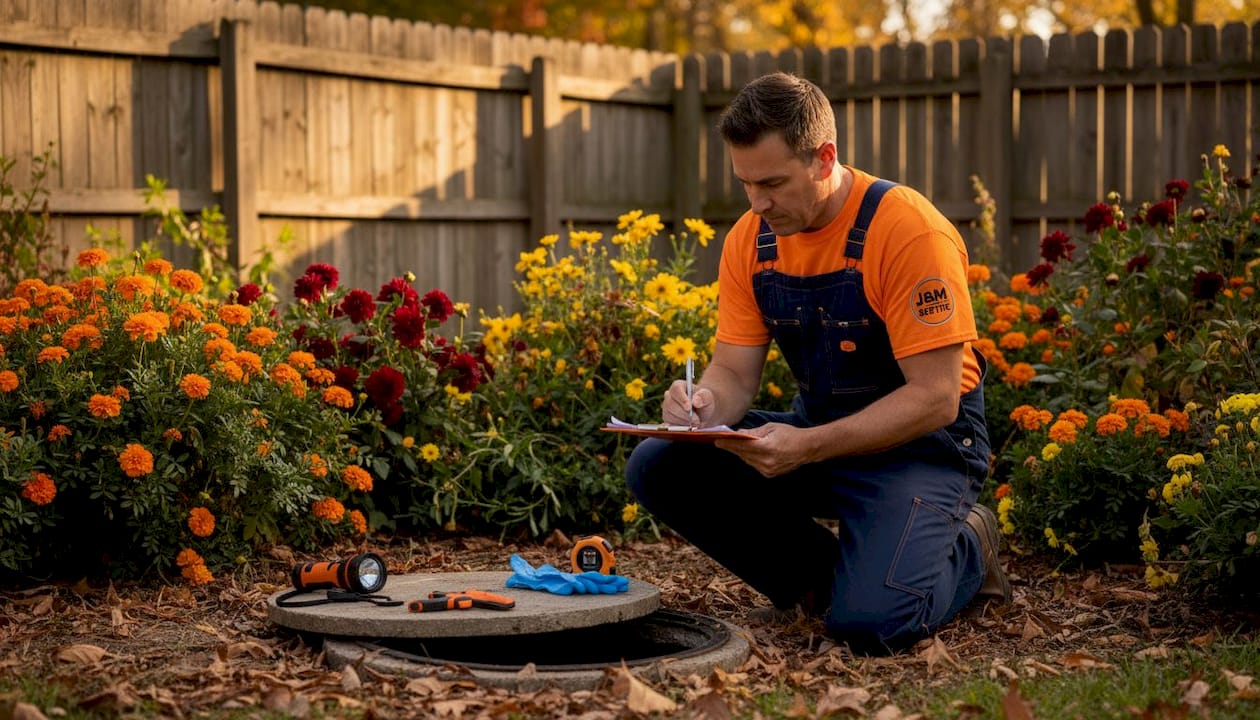
Pro Tip: Ask your septic contractor to walk through the permit application with you before submission. Contractors who work regularly in Alamance County know what inspectors look for and can flag common issues that delay approvals, such as incorrect setback distances or missing soil data.
It is also worth asking early whether your property qualifies for alternative systems. Properties with limited space, high water tables, or clay-heavy soils may need a biofilter or mound system instead of a conventional drain field. Exploring biofilter system options at the permit stage prevents surprises during construction.
Step-by-step workflow: Solving yard standing water with septic system repair
With permits in hand and your contractor ready, the actual repair or installation work can begin. A proven septic installation workflow follows a specific sequence: excavation, tank and distribution box placement and leveling, drain field construction, pipe connection and leak testing, backfill, and final inspection. Every step matters. Skipping or rushing any one of them sets up problems that can be just as bad as what you started with.
Here is the full workflow in order:
- Site staking and marking: The contractor marks the approved drain field location, tank position, and utility lines before any digging starts.
- Excavation: Heavy equipment removes soil to the correct depth for the tank and drain field trenches, following the approved site plan.
- Tank placement and leveling: The septic tank is set in the excavated pit and carefully leveled. An unlevel tank causes solids to collect incorrectly and shortens system life.
- Distribution box installation: The distribution box (called a D-box) is placed between the tank outlet and the drain field. It evenly splits effluent flow between multiple drain field lines.
- Drain field construction: Perforated pipes are laid in gravel-filled trenches at the correct slope, typically 1/8 to 1/4 inch per foot, to allow even effluent distribution.
- Pipe connections and leak testing: All connections between the house, tank, D-box, and field lines are made and tested. Leaks caught here are cheap to fix; leaks found later are not.
- Inspection: The county inspector reviews the work before backfill. This is mandatory and cannot be skipped.
- Backfill and grading: Approved soil is used to backfill trenches, and the surface is graded to direct stormwater away from the drain field.
- Final inspection and sign-off: The completed system receives final approval, and paperwork is filed with the county.
| Repair approach | Best suited for | Approximate cost range | Timeline |
|---|---|---|---|
| Targeted pipe repair | Single broken or clogged line | $500–$2,000 | 1–3 days |
| D-box replacement | Distribution box failure | $500–$1,500 | 1–2 days |
| Drain field rehabilitation | Partial biomat or saturation | $3,000–$7,000 | 1–2 weeks |
| Full system replacement | Complete failure or poor soil | $8,000–$20,000+ | 3–6 weeks with permits |
Common mistakes homeowners and even some contractors make include skipping the pre-backfill inspection, failing to test pipe connections for leaks, and not accounting for stormwater flow in the final grading. These errors often result in the same standing water problem returning within a year or two.
If you are dealing with a particularly wet area or what looks like a small swamp over your field, check out septic tank bog issues for more detail on what causes saturated drain fields and how to address them properly.
Pro Tip: Coordinate your stormwater grading plan with your septic repair at the same time. Having two separate contractors fix grading and septic independently often means one undoes the other’s work. A single contractor who understands both biofilter system recommendations and drainage can solve both problems in one visit, saving time and money.
Troubleshooting and ongoing prevention: Avoiding repeat standing water issues
Fixing a failing septic system is a significant investment. The last thing you want is to see standing water return six months later. Unfortunately, that happens more often than it should, usually because the root cause was not fully addressed or because maintenance slips after the repair is done.
The most common reasons standing water returns after a repair include:
- Heavy water use habits that overload the system (long showers, large laundry loads on one day)
- Failure to pump the septic tank on the recommended schedule (every 3 to 5 years for most households)
- Stormwater from rooftops, driveways, or neighboring properties draining toward the drain field
- Tree root intrusion into repaired pipes
- Grease, wipes, or non-biodegradable materials entering the system
What to watch for after your repair is complete:
- Any return of the spongy, wet patch over the drain field
- Slow drains or gurgling sounds inside the house
- Septic odors near the tank lid or drain field
- Unusually lush grass returning in the same spot
Monitoring the drain field area monthly for the first year after repair gives you early warning if something is off. Early detection means regular inspection tips and a quick professional visit rather than another full replacement.
Maintenance failures can trigger notices and fines, and stormwater and septic upkeep are both essential to staying in compliance in Alamance County. Penalties from county health officials can stack up quickly if standing water is reported by a neighbor or observed during a routine inspection.

For homes with advanced treatment systems, staying current on component maintenance is equally important. UV system maintenance is one area that homeowners often overlook, but a burned-out UV lamp can compromise the treatment level of your effluent and create compliance problems.
A realistic maintenance calendar:
- Every 6 months: visual inspection of drain field and tank lid area
- Every 1 to 2 years: professional inspection and system check
- Every 3 to 5 years: tank pumping by a licensed professional
- Annually: review stormwater drainage near the drain field after heavy rain seasons
The hard truth: Timely action is the difference between quick fixes and costly disasters
Here is what we have seen working with homeowners across Alamance County for years: the biggest factor in how much a septic repair costs is almost never the damage itself. It is how long the homeowner waited before calling.
Acting quickly can sometimes allow recovery or simpler fixes, while waiting risks more extensive drain-field degradation that simply cannot be undone without full replacement. We have seen drain fields that could have been rehabilitated for a few thousand dollars turn into $15,000 replacement projects because the homeowner thought the water would dry up on its own.
The other thing that rarely gets said clearly enough: workflow is not just about the order of construction steps. It is about integrating your stormwater situation with your septic diagnosis from the very beginning. Homeowners who fix one without the other are almost guaranteed to call back within two years. Coordinating grading and roof runoff plans with septic diagnosis keeps you compliant and prevents the same water from saturating your freshly repaired drain field.
We also want to be honest about permits. Some contractors in any trade suggest shortcuts to save time. In the world of septic work in North Carolina, that shortcut can cost you your system, your property value, and your health. The permit process exists for good reason, and working within it, not around it, is always the right call. Read more on why urgent repair perspective from professionals matters for protecting your long-term investment.
Standing water in your yard is your system asking for help. The sooner you listen, the simpler the answer tends to be.
Next steps: Get professional help for your yard standing water and septic issues
Dealing with standing water and a stressed septic system is stressful enough without trying to figure it out alone. At J&M Septic Installation & Repair, we handle the full picture for Alamance County homeowners, from diagnosing the source of standing water to pulling permits, completing repairs, and making sure your yard stays dry for the long haul.

Whether you need emergency septic repair today or are planning ahead to install a new septic system on a new property, our team is based right here in Mebane and knows the Alamance County regulations inside and out. We believe honest work and clear communication make the difference between a one-time fix and a lasting solution. If you want to extend septic lifespan and avoid expensive surprises, reach out to our team. We serve Burlington, Graham, Elon, Whitsett, McLeansville, and all of Alamance County. Give us a call and we will get you sorted.
Frequently asked questions
Is standing water in my yard always caused by a septic problem?
No, it can result from drainage or stormwater issues, but standing water after dry weather near a drain field strongly suggests effluent surfacing, which is a septic emergency.
How long does the septic repair and permit process take in Alamance County?
The permit approval process alone typically takes 2 to 4 weeks, with additional time needed for inspections, contractor scheduling, and the actual installation or repair work.
What should I do if standing water appears over my septic drain field?
Keep children and pets out of the area immediately, since standing water is a health hazard that may contain partially treated sewage, and call a licensed septic professional right away.
Do I need stormwater control permits for minor home grading projects?
Small residential projects may be exempt from stormwater rules, but major modifications or grading near a drain field typically require county review and compliance with runoff control requirements.