
Quality Service and Repair for Alamance County Septic Systems
Discover top-notch quality service and repair for Alamance County septic systems. Ensure your system runs smoothly with expert maintenance and honest...

Quality service and repair for septic systems is defined as the combination of scheduled preventive maintenance, certified professional inspections, and timely corrective repairs that keep a home’s wastewater treatment functioning safely and reliably. For homeowners in Alamance County, this means more than calling someone when something goes wrong. It means understanding what a healthy system requires, recognizing early warning signs, and partnering with trusted service providers who deliver honest diagnostics and lasting results. Jmseptic, based in Mebane, serves Burlington, Graham, Elon, Whitsett, and surrounding communities with exactly this standard of care.
What are the essential maintenance tasks for a healthy septic system?
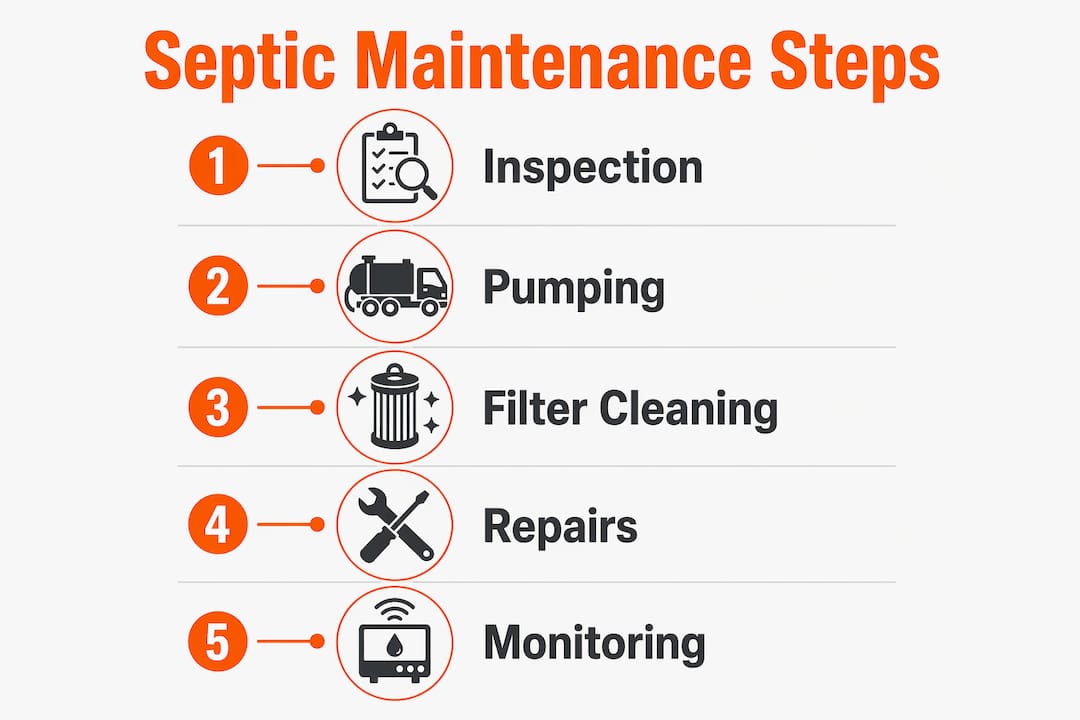
Septic system maintenance follows a predictable schedule, and sticking to it is the single most effective way to avoid expensive failures. The industry standard for onsite wastewater treatment systems, as recognized by university extension programs and state regulators, is built around three core tasks: pumping, inspection, and filter cleaning.
-
Pump the tank every 3 to 5 years. A conventional residential tank accumulates sludge at the bottom and scum at the top. Pumping every 3 to 5 years costs between $300 and $600 and removes the buildup before it reaches the drainfield. This is not optional maintenance. CSU Extension confirms that routine pumping is the best way to prevent septic failure, and no additive substitutes for it.
-
Schedule a professional inspection every 1 to 3 years. A thorough septic inspection is not a quick visual check. It includes sludge level measurement, baffle checks, effluent filter review, distribution box evaluation, a drainfield walk, and a written report. Inspections run $100 to $300 and give you documented proof of system condition, which matters when selling a home or diagnosing recurring problems.
-
Clean the effluent filter every 6 to 12 months. The effluent filter sits at the tank outlet and catches solids before they reach the drainfield. Cleaning it is a task most homeowners can handle themselves with gloves and a garden hose. Skipping it causes the filter to clog, which backs wastewater into the tank and stresses the entire system.
-
Perform seasonal visual checks. Walk the drainfield area each spring and fall. Look for soggy ground, unusual odors, or patches of grass that are greener than the surrounding lawn. These are early indicators of a failing field, and catching them early keeps repair costs manageable.
Budgeting for this schedule is straightforward. Annual maintenance costs average $200 to $500 for a conventional system, which is comparable to what most households pay in municipal sewer fees. Spread across a year, that cost is modest compared to a drainfield replacement.
Pro Tip: Set a calendar reminder on January 1st each year to check your effluent filter and review when your tank was last pumped. This two-minute habit prevents the most common reason homeowners end up with emergency repair calls.
How to identify quality service and reliable repair providers in Alamance County
Choosing a septic contractor is not the same as hiring a handyman. The work involves licensed professionals, state regulations, and systems that directly affect your family’s health and your property’s value. Here is what separates quality service providers from average ones.
Qualities to look for:
- State licensing and local compliance. In North Carolina, septic contractors must hold an Improvement Permit and operate under rules set by the NC Department of Public Health. Ask any provider to confirm their license number before work begins.
- Thorough inspection protocols. A quality provider does not quote a repair without first measuring sludge levels, checking baffles, and walking the drainfield. Any contractor who skips these steps is guessing, not diagnosing.
- Documented maintenance plans. The hallmark of quality septic providers is the ability to create a routine maintenance plan specific to your household size, system type, and usage patterns. This separates professionals from one-time service calls.
- Verifiable reviews and local reputation. Check Google reviews, ask neighbors in Burlington or Graham who they use, and look for providers who have been operating in Alamance County for multiple years.
Signs of subpar service to avoid:
- Providers who recommend septic additives as a substitute for pumping. Bacterial populations in a healthy tank are self-sustaining. Additives do not replace the physical removal of sludge.
- Contractors who give repair quotes over the phone without an on-site inspection.
- No written report or documentation after a service visit.
Questions to ask before hiring:
- What does your inspection include, and will I receive a written report?
- Are you licensed in North Carolina for septic work?
- Do you offer a maintenance plan or follow-up schedule?
- What is your process for diagnosing drainfield problems?
Pro Tip: Ask for a copy of the written inspection report before paying. If a provider cannot produce one, that tells you everything you need to know about their standard of work.
Common septic problems and how quality repair addresses them
Septic systems fail in predictable ways. Understanding the difference between a professional repair and a temporary fix helps you make better decisions when problems appear.
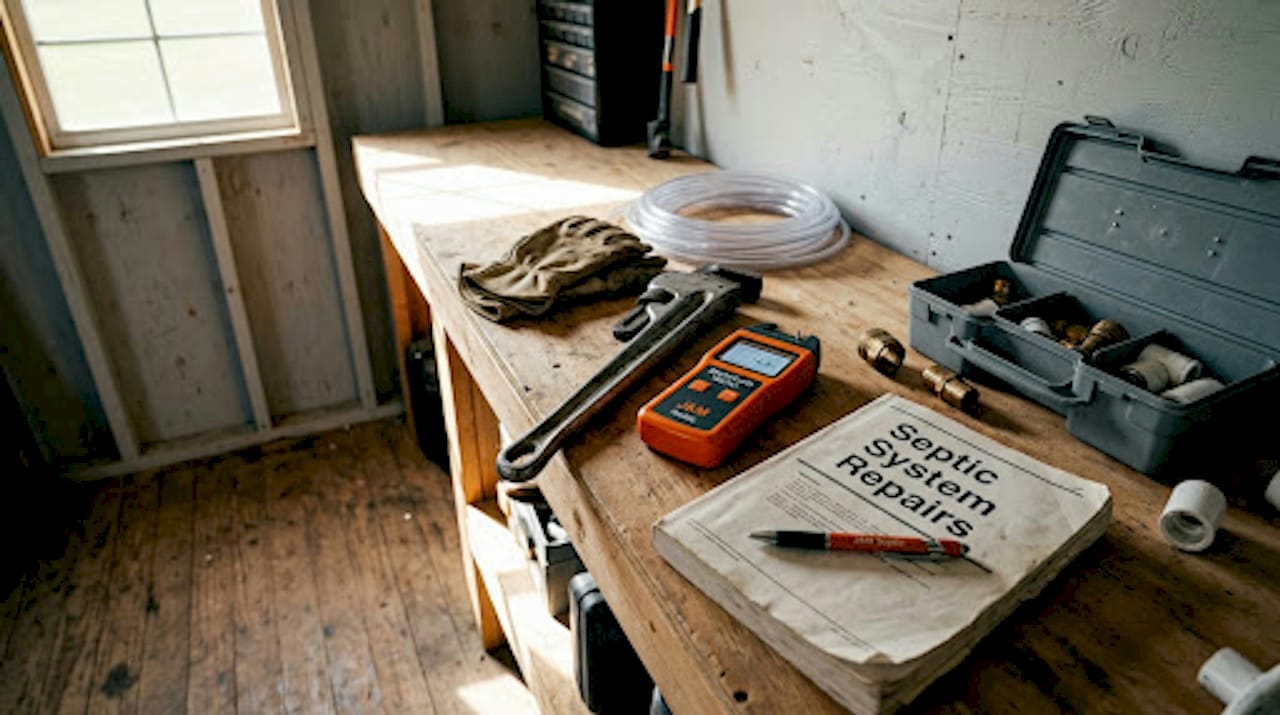
Signs of septic issues include slow drains throughout the house, sewage odors indoors or outdoors, wet or soggy ground near the drainfield, sewage backup in fixtures, and alarm sounds from pump systems. Each of these signals a specific problem that requires diagnosis, not guesswork.
| Problem | Temporary Fix | Quality Repair Approach |
|---|---|---|
| Sludge buildup in tank | Add bacterial additives | Pump tank, inspect baffles, document sludge depth |
| Clogged drainfield lines | Ignore and hope it clears | Hydro jetting, soil testing, line replacement if needed |
| Broken or cracked tank | Patch with sealant | Full tank inspection and replacement with permitted work |
| Effluent filter clog | Skip cleaning | Regular 6 to 12 month cleaning with written log |
| Pump or alarm failure | Reset alarm | Inspect mechanical components, replace pump if warranted |
Neglecting sludge buildup is the most costly mistake Alamance County homeowners make. When sludge is not removed on schedule, it overflows into the drainfield and blocks the soil’s ability to absorb wastewater. Drainfield replacement costs $5,000 to $15,000, a figure that dwarfs the cost of routine pumping many times over. Texas A&M AgriLife Extension confirms that proper septic maintenance protects both human health and the surrounding environment, not just the system itself.
Delayed septic repairs consistently increase the scope and cost of the eventual fix. A cracked baffle caught during a routine inspection costs a few hundred dollars to replace. The same baffle left unaddressed for two years can allow solids to reach the drainfield, turning a minor repair into a major excavation project.
Preventive practices homeowners can adopt to extend septic system life
Between professional visits, homeowners have real influence over how long their system performs well. These habits cost nothing and protect a system worth thousands of dollars.
- Conserve water daily. High water volume flushes solids into the drainfield before they settle in the tank. Fix leaky faucets and toilets promptly. A running toilet can add 200 gallons per day to your system load, which is enough to stress a properly sized tank.
- Avoid flushing harmful materials. Wipes labeled “flushable” are not safe for septic systems. Neither are paper towels, feminine hygiene products, medications, or cooking grease. These materials do not break down and accumulate as sludge.
- Skip antibacterial soaps and harsh chemical cleaners. The bacteria in your septic tank break down waste naturally. Bleach, drain cleaners, and antibacterial products kill those bacteria and slow the treatment process. Use enzyme-based or septic-safe cleaning products instead.
- Perform a monthly visual check of the drainfield. DIY tasks like a visual field walk and checking tank lids for damage are safe and take under ten minutes. You are looking for odors, wet spots, or sunken ground.
- Manage landscaping around the system. Do not plant trees or shrubs within 10 feet of the tank or drainfield. Roots seek moisture and will infiltrate pipes and tank walls over time. Grass is the ideal cover for a drainfield because it absorbs moisture without invasive root systems.
- Direct surface water away from the drainfield. Gutters, downspouts, and grading should move rainwater away from the septic area. Saturated soil cannot absorb effluent, which causes backups and field failure during heavy rain seasons.
Learning how to prevent septic failure before it becomes an emergency is the most cost-effective thing an Alamance County homeowner can do for their property.
Key takeaways
Quality septic service and repair requires scheduled pumping every 3 to 5 years, certified inspections every 1 to 3 years, and a licensed local provider who delivers written diagnostics and a maintenance plan tailored to your home.
| Point | Details |
|---|---|
| Pump on schedule | Pump every 3 to 5 years at $300 to $600 to prevent sludge from reaching the drainfield. |
| Inspect with documentation | A quality inspection includes sludge measurement, baffle checks, and a written report. |
| Avoid additive reliance | No septic additive replaces physical pumping; CSU Extension confirms additives do not prevent failure. |
| Act on early warning signs | Slow drains, odors, and soggy ground signal problems that worsen and cost more if ignored. |
| Choose licensed local providers | North Carolina requires licensing for septic work; always verify credentials and ask for a maintenance plan. |
What I’ve learned after years of septic work in Alamance County
The homeowners who call us in a panic almost always say the same thing: “I didn’t think it was that serious.” A slow drain gets ignored for six months. A faint odor gets written off as a yard issue. By the time they call, what started as a $400 pump job has become a $9,000 drainfield repair.
The biggest misconception I see is that septic systems are self-sufficient. They are not. They are biological and mechanical systems that degrade under load and neglect. The soil in Alamance County varies significantly from one property to the next, and a system that works perfectly in Mebane may behave differently on a lot in Whitsett with heavier clay content. That local knowledge matters when diagnosing problems and designing repairs.
I am also skeptical of any provider who recommends additives as a maintenance strategy. The research is clear. Bacterial populations in a functioning tank maintain themselves. What they cannot do is remove the physical sludge layer. Only pumping does that. Any contractor who sells you a bottle of bacteria as a substitute for a pump truck is not giving you quality service.
The homeowners who have the best outcomes are the ones who treat maintenance like a utility bill. They schedule it, they pay it, and they do not wait for symptoms. That mindset, combined with a provider who gives them a written plan and follows through, is what separates a well-maintained system from an expensive emergency.
— Jason
Jmseptic delivers quality service and repair across Alamance County

Jmseptic provides certified septic inspections, tank pumping, hydro jetting, and emergency septic repair for homeowners across Burlington, Mebane, Graham, Elon, Whitsett, and McLeansville. Every service visit includes a written report and honest recommendations, with no upselling and no guesswork. Whether you need a routine pump-out or a full new septic system installation, the Jmseptic team brings local knowledge and licensed expertise to every job. Call to schedule a consultation or request a quote. Protecting your home starts with one call.
FAQ
How often should a septic tank be pumped?
Most conventional septic tanks need pumping every 3 to 5 years, at a cost of $300 to $600. Household size and water usage affect the exact interval, so ask your provider to measure sludge depth at each inspection.
What does a quality septic inspection include?
A thorough inspection covers sludge level measurement, baffle condition, effluent filter review, distribution box check, a drainfield walk, and a written report. Any inspection that skips these steps is incomplete.
Can septic additives replace regular pumping?
No. CSU Extension and other university programs confirm that no additive substitutes for physical pumping. Bacterial populations in a healthy tank are self-sustaining, and sludge can only be removed mechanically.
What are the early signs of septic system problems?
Slow drains throughout the house, sewage odors indoors or outdoors, soggy ground near the drainfield, and sewage backup in fixtures are the most common early indicators. Acting on these signs early prevents far more expensive repairs.
How do I choose a reliable septic repair provider in Alamance County?
Look for a North Carolina licensed contractor who provides written inspection reports, offers a scheduled maintenance plan, and has verifiable local reviews. Avoid any provider who quotes repairs without an on-site inspection.