
Preventing Yard Flooding Checklist for Homeowners
Use our preventing yard flooding checklist to manage water flow effectively. Ensure your yard remains flood-free with expert tips and maintenance strategies.

Preventing yard flooding is a process of systematically managing water flow through proper grading, soil care, and drainage system maintenance. Homeowners who treat yard flooding as a system problem, not a series of isolated chores, get lasting results. A structured preventing yard flooding checklist gives you a clear sequence: assess the source, fix the path, and maintain the solution. Two standards anchor every effective checklist: the 48-hour standing water rule for diagnosing structural drainage failure, and the 6-inch slope guideline for grading near your foundation.
1. Assess your yard for flooding risks
Diagnosis comes before any fix. A three-step assessment identifies where water originates, where it stalls, and what blocks its exit. Skipping this step leads to repeated failures because you treat symptoms rather than causes.
Start with these diagnostic checks:
- Source identification: Walk your yard during or right after heavy rain. Note where water enters, whether from roof runoff, a neighbor’s lot, or a low spot in the terrain.
- Water path tracking: Follow the water’s movement. Does it pool near the foundation, collect in a low corner, or back up from a clogged drain?
- Obstruction documentation: Look for compacted soil, buried debris, or overgrown plant roots blocking natural flow paths.
Two field tests sharpen your diagnosis. The screwdriver test reveals soil compaction: push a standard screwdriver 6 inches into the soil. If it takes significant force, the soil is compacted and water cannot infiltrate properly. The slope check requires stakes and a string level. Your yard needs a minimum 6-inch drop over the first 10 feet away from your foundation to move water away effectively.
Pro Tip: Take photos during a rainstorm. Visual evidence of water paths and pooling spots is far more useful than memory when you are planning repairs weeks later.
The 48-hour standing water rule is the clearest diagnostic signal available. Water that sits longer than 48 hours after rain stops points to a structural drainage problem, not just temporary saturation. That distinction determines whether you need a simple grading fix or a full drainage system installation.
2. Clean gutters and manage roof runoff
Roof runoff is often the largest single cause of yard flooding. A 1,000 square foot roof produces over 600 gallons from just 1 inch of rain. That volume overwhelms yards fast when gutters are clogged or downspouts discharge too close to the foundation.
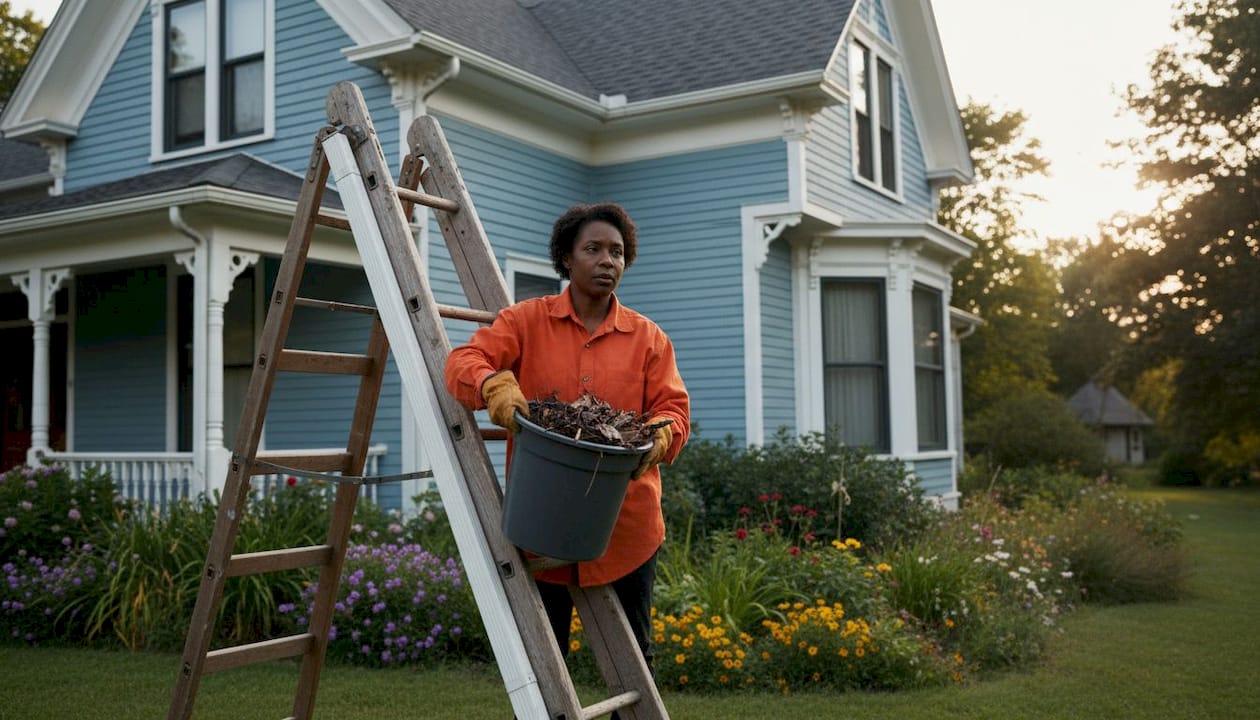
Follow this seasonal maintenance sequence:
- Clean gutters and downspout exits before spring and before fall. Leaves and debris accumulate fastest in those two seasons.
- Inspect gutters for sag or separation. Water pooling in a sagging gutter overflows directly against your foundation wall.
- Extend downspouts at least 5 feet from the foundation. Shorter extensions dump water exactly where it causes the most damage.
- Check downspout splash blocks. Replace cracked or missing blocks so water disperses rather than concentrates.
- Test your sump pump annually. Check the float, battery backup, and discharge pipe before the rainy season begins.
Pro Tip: Standard 5-inch gutters may be undersized for steep or large roof areas. If your gutters overflow during moderate rain despite being clean, upgrading to 6-inch gutters is a cost-effective fix that protects both yard and foundation.
Directing water away from the house at the gutter level prevents the majority of foundation-adjacent pooling. This single checklist category eliminates a large share of yard flooding problems before any ground-level work begins.
3. Choose the right yard drainage solution
Not every drainage system fits every yard. Matching the solution to your site conditions, including soil type, yard size, and runoff source, reduces the risk of expensive mistakes.
Surface drainage options
Catch basins collect surface water at low points and channel it underground. They cost roughly $60–$100 per unit and work well in flat yards where water consistently pools in one location. They require regular cleaning to prevent sediment buildup.
Channel drains handle surface runoff on hard surfaces like driveways and patios. Installation runs approximately $40–$70 per 3 linear feet. They are the right choice when water sheets across paved areas toward the house.
Swales are shallow, graded channels cut into the lawn to redirect surface flow. They cost little to install and blend into the landscape, but they require consistent slope to function. A swale that loses grade becomes a trench that holds water.
Subsurface drainage options
French drains use a perforated pipe wrapped in filter fabric, buried in a gravel trench, to capture and redirect groundwater. Modern geocomposite pipe kits reduce installation time and cost compared to traditional gravel-only systems. French drains are the best fit for broad yard saturation rather than isolated pooling.
French drain installation requires a consistent slope of at least 1–1.5% to maintain gravity flow. Install without that slope and you create a buried pool, not a drain.
Dry wells collect water from downspouts or catch basins and allow it to percolate slowly into the surrounding soil. They work well in sandy or loamy soils but fail in heavy clay.
Pro Tip: Always confirm your outlet location before installation. A drain with no clear exit point just moves the problem underground. Verify that the outlet discharges to a legal and functional location, such as a storm drain, swale, or property edge.
4. Correct your yard grading and improve soil health
Grading is the foundation of every effective yard drainage solution. The standard is a 6-inch drop over 10 feet from the foundation, which equals roughly a 5–6% grade. Yards that fall short of this standard push water toward the house rather than away from it.
Use these landscaping for drainage techniques to improve water movement:
- Regrade low spots by adding topsoil and compacting it gently. Do not dump loose fill without grading it to slope away from the structure.
- Aerate compacted soil once a year in fall or spring. Core aeration opens channels for water to move down rather than run off.
- Install a rain garden in a natural low point at least 10 feet from the foundation. Rain gardens capture runoff and allow it to infiltrate over 24–48 hours. In clay soils, infiltration rates below 0.05 inches per hour require an underdrain to prevent the bathtub effect, where water fills the garden and never leaves.
- Use permeable surfaces for patios, walkways, and driveways where possible. Permeable pavers and gravel allow water to pass through rather than sheet across the surface.
- Apply mulch carefully. Mulch retains moisture, which is useful in planting beds but harmful when piled against the foundation wall. Keep mulch 6 inches from the foundation and slope it away from the structure.
Pro Tip: Before any grading or drainage work, call 811 to have underground utility lines marked. Cutting a gas or water line during a drainage project turns a yard problem into a safety emergency.
Ignoring grading while installing drainage systems is one of the most common homeowner mistakes. A French drain in a flat yard with no outlet slope will fail within one or two seasons. Get the grade right first, then add drainage infrastructure on top of it.
5. Maintain your drainage system year-round
Drainage systems fail from neglect more often than from poor installation. A yard water management plan requires scheduled maintenance, not just a one-time fix.
Twice a year, flush catch basin inlets and channel drain grates with a garden hose to clear sediment. Check French drain outlets for blockage from roots or debris. Inspect swales for erosion or vegetation overgrowth that narrows the channel. Review your yard’s grading after any significant soil disturbance, such as landscaping projects, tree removal, or new construction nearby. You can find detailed guidance on storm drain upkeep to keep your system running through every season.
Homeowners who schedule these checks in march and october catch problems before the heaviest rain seasons hit. Catching a blocked outlet in march costs an hour of work. Discovering it in june after a week of rain costs far more.
6. Protect your septic system from yard flooding
Yard flooding and septic systems interact in ways most homeowners do not anticipate. Saturated soil above a drain field prevents effluent from dispersing, which causes backups inside the home. Standing water in your yard near the septic field is a warning sign that requires immediate attention.
Keep surface water from draining toward the septic field by maintaining proper grading around it. Do not install catch basins or French drains that discharge into or over the drain field area. Compacted soil above the field reduces its capacity, so avoid parking vehicles or heavy equipment over it. If you see wet spots, odors, or unusually green grass over the drain field after rain, the system may be overloaded or failing.
Flooding that reaches a septic system can also introduce contaminants into the drain field, which shortens its lifespan significantly. Protecting your drain field from surface water is part of any complete flood prevention plan.
Key Takeaways
The most effective approach to preventing yard flooding is combining accurate diagnosis, correct grading, matched drainage systems, and consistent seasonal maintenance into one structured plan.
| Point | Details |
|---|---|
| Diagnose before you fix | Use the 48-hour rule and screwdriver test to identify structural drainage failure before spending money on repairs. |
| Manage roof runoff first | Extend downspouts at least 5 feet from the foundation and clean gutters before spring and fall. |
| Match drainage to your site | Choose catch basins, French drains, or swales based on soil type, yard size, and runoff source. |
| Grade before you drain | A 6-inch drop over 10 feet from the foundation is required for any drainage system to function correctly. |
| Protect your septic field | Keep surface water away from the drain field to prevent system overload and costly repairs. |
What I’ve learned from years of watching yards flood
Most homeowners I talk to have already spent money on a fix that did not work. They added topsoil to a low spot, or installed a catch basin with no outlet, or extended one downspout while leaving three others discharging against the foundation. The yard still floods. The reason is almost always the same: they treated a symptom without understanding the system.
Experts consistently point out that permanent solutions require starting with water origin, movement, and discharge. That sequence matters. You cannot fix discharge if you have not mapped movement. You cannot fix movement if you have not identified the source. Skipping steps in that order is what turns a $300 fix into a $3,000 problem.
The other mistake I see regularly is ignoring the connection between yard drainage and the home’s structural integrity. Water that pools against a foundation wall does not just create a soggy lawn. It creates hydrostatic pressure, which cracks walls, lifts slabs, and floods basements. Yard flooding is a home maintenance issue, not just a landscaping inconvenience.
My honest advice: walk your yard during a real rainstorm at least once a year. Bring your phone, take photos, and trace every water path from start to finish. That 20-minute exercise will tell you more than any dry-weather inspection. If you see water sitting for more than 48 hours, or if it consistently moves toward your foundation or septic field, call a professional before the next heavy rain season. Early intervention is always cheaper than emergency repair.
— Jason
Jmseptic can help with yard water and septic protection
Yard drainage problems and septic system health are closely connected, especially in Alamance County’s clay-heavy soils. Jmseptic works with homeowners across Burlington, Mebane, Graham, and the surrounding Piedmont Triad area to design and install systems that protect both your yard and your home’s infrastructure.

Whether you need a new septic system installation that accounts for your yard’s drainage patterns, or you are dealing with standing water near your drain field, Jmseptic provides honest assessments and long-term solutions. For homeowners planning new construction or major landscaping projects, the septic design factors that affect drainage integration are worth reviewing before breaking ground. Call Jmseptic to schedule an inspection before the next rain season hits.
FAQ
How long should water sit before I call a professional?
The 48-hour rule applies: water that remains standing more than 48 hours after rain stops signals a structural drainage problem that requires professional assessment, not a DIY fix.
What is the correct yard slope near my foundation?
Your yard needs a minimum 6-inch drop over the first 10 feet from the foundation, which equals roughly a 5–6% grade, to move water away from the structure effectively.
Can I install a French drain myself?
French drain installation is a DIY-possible project, but it requires a consistent slope of at least 1–1.5% and proper filter fabric to prevent sediment clogging. Errors in slope or outlet placement cause system failure.
Does yard flooding affect my septic system?
Yes. Saturated soil above a drain field prevents effluent from dispersing, which causes sewage backups inside the home. Keep surface water and drainage systems away from the septic field area.
What is the cheapest first step to reduce yard flooding?
Extending downspouts at least 5 feet from the foundation and cleaning gutters before spring and fall are the lowest-cost, highest-impact steps on any flood prevention checklist.