
Key factors that affect your septic system’s lifespan
Discover key septic system lifespan factors that can extend your system's life. Learn to protect your investment and avoid costly repairs!

Many homeowners focus almost entirely on the tank when thinking about their septic system. It makes sense on the surface since the tank is the most visible and well-known part. But the truth is that your drainfield and your daily household habits carry just as much weight, and in many cases, more. One small oversight repeated over months or years can silently shorten a system’s life by decades. This article breaks down exactly what determines how long your septic system lasts, what you control, and what warning signs to catch early so you can get the most out of every component.
Table of Contents
- What determines a septic system’s lifespan?
- Key factors influencing septic system longevity
- How regular maintenance impacts system life
- What shortens a septic system’s life? Common risks and mistakes
- Why most septic system failures are preventable: our perspective
- Need expert help or a fresh start?
- Frequently asked questions
Key Takeaways
| Point | Details |
|---|---|
| Drainfield matters most | The drainfield, not just the tank, often determines system lifespan and is the first to fail if neglected. |
| Maintenance prevents failure | Routine pumping and inspections are the simplest ways to avoid irreversible damage and costly repairs. |
| Household habits are critical | What goes down your drains and how you use water directly affect how long your system lasts. |
| Professional support pays off | Timely expert assessment or installation can dramatically extend your system’s healthy years. |
What determines a septic system’s lifespan?
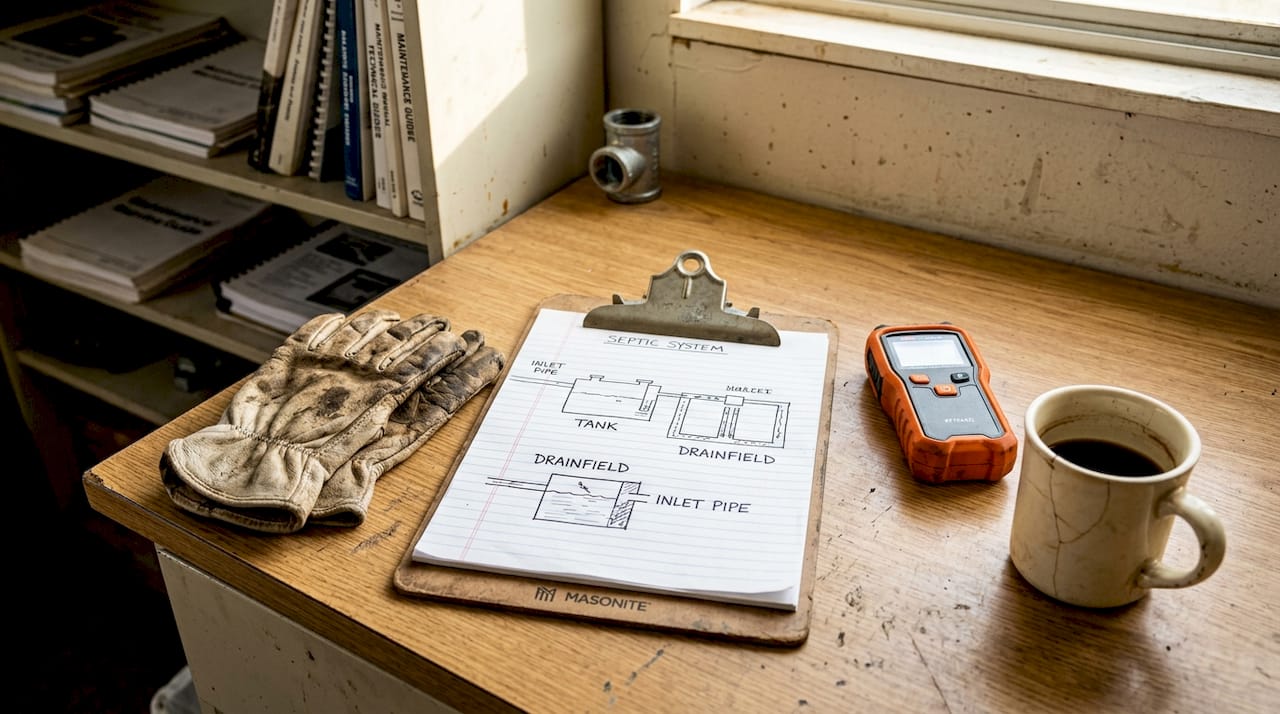
A septic system is not just a tank buried in your yard. It is a network of components that work together, and the lifespan of the whole system is often determined by the weakest link. The main parts include the septic tank, the drainfield (also called the leach field), the inlet and outlet baffles inside the tank, the distribution box, and the connecting pipes. Each part ages differently and faces different threats.
Septic system longevity depends not just on the tank but also on the drainfield, which is often the first component to fail, and on how consistently the system is maintained. This matters because a failed drainfield often means full system replacement, not just a repair.
The average system lifespan ranges from about 15 to 40 years, depending on tank material, soil conditions, and how well the system is maintained. A concrete tank in decent soil with regular pumping might last 40 years. A fiberglass tank in sandy soil that is rarely serviced might fail in 15. That is a 25-year gap, and most of it comes down to decisions you make as a homeowner.
Here is a breakdown of typical lifespan ranges and main threats for each component:
| Component | Typical lifespan | Main threats |
|---|---|---|
| Concrete tank | 30 to 40 years | Cracking, corrosion from hydrogen sulfide |
| Fiberglass/plastic tank | 30 to 40 years | Shifting soil, physical damage |
| Drainfield | 15 to 25 years | Solids overflow, biomat buildup, soil saturation |
| Baffles (concrete) | 10 to 20 years | Corrosion, deterioration |
| Distribution box | 15 to 30 years | Cracking, root intrusion |
| Inlet/outlet pipes | 20 to 40 years | Root intrusion, shifting, deterioration |
“The drainfield is frequently the first part of a septic system to fail, and its failure often triggers full system replacement. Protecting it is the single most important thing a homeowner can do.”
When you are thinking about installing a new septic system, understanding these component lifespans helps you plan for the long term from the very beginning.
Key factors influencing septic system longevity
Once you know which components matter, it is essential to understand what actually influences their lifespan and which factors you can control as a homeowner.
Maintenance intervals depend on household size, total wastewater load, and tank size. Alternative systems, like aerobic treatment units or systems with pumps, require even more frequent professional attention than standard gravity-fed systems. These are not optional recommendations. They are the operational baseline for keeping your system alive.
Here are the top factors that influence how long your system will last:
- Household size. More people mean more wastewater volume. A 1,000-gallon tank serving five people will fill with solids much faster than the same tank serving two people. If your household has grown since the system was installed, your pumping schedule may need to change.
- Tank size relative to household load. An undersized tank means solids reach the drainfield faster, which is the leading cause of early drainfield failure.
- Water use habits. Long showers, running multiple appliances at once, and doing several loads of laundry in one day all spike water flow into the system. Spreading water use throughout the week gives the system time to process properly.
- What goes into the system. Grease, household chemicals, wipes labeled “flushable,” and medications all interfere with the bacterial action inside the tank. That bacterial activity is what breaks down solids. Kill the bacteria, and solids build up fast.
- Garbage disposal use. Frequent garbage disposal use adds significant food solids to the tank. This is one of the most underestimated contributors to accelerated tank fill and drainfield stress.
- System type. Conventional gravity systems are simpler and more forgiving. Alternative systems with pumps, aerobic components, or pressure distribution require closer monitoring and more frequent service visits.
- Soil conditions. Clay-heavy soils, like many found across Alamance County and the Piedmont Triad area, drain more slowly. This affects how well the drainfield processes effluent (the liquid that leaves the tank). Poorly draining soil can lead to surface pooling and system backups.
Pro Tip: If your household has grown, your system is older than 15 years, or you have added a garbage disposal since the system was installed, schedule a professional assessment sooner rather than later. These are the situations where systems are most likely to be running near capacity without obvious warning signs.
How regular maintenance impacts system life
Now let’s get specific. What can you do, maintenance-wise, that will have the biggest long-term impact on your septic system’s performance?
The EPA recommends inspections about every three years and pumping every 3 to 5 years for standard systems. Alternative systems with mechanical components often need annual professional visits. Pumping removes accumulated solids from the bottom of the tank before they reach a level where they can flow into the drainfield. Once solids enter the drainfield, the damage is often permanent.
“Regular pumping is the primary action homeowners control. Skipping it even once or twice can cause irreparable drainfield damage that forces full system replacement years ahead of schedule.”
Here is a straightforward maintenance routine to follow:
- Schedule a professional inspection every three years at minimum. A good inspector checks baffles, tank walls, water levels, and signs of drainfield stress.
- Pump the tank every 3 to 5 years based on household size. Larger households or smaller tanks may need pumping every 2 to 3 years.
- Check for slow drains or gurgling pipes inside the house. These are early warning signs, not minor inconveniences.
- Look for wet spots or unusual green patches over the drainfield area. These often signal effluent rising to the surface.
- Keep accurate records. Note the date of every pumping, inspection, and repair. This history helps technicians make better decisions and spot patterns.
- Avoid planting trees or shrubs near the drainfield. Root intrusion is one of the most destructive and expensive problems a drainfield can face.
- Divert surface water away from the drainfield. Soggy soil cannot absorb effluent properly, which stresses the system and can accelerate failure.
Pumping prevents solids from clogging the drainfield, and once that clogging happens in the form of biomat buildup (a biological layer that seals off soil absorption), it is very difficult and costly to reverse. In many cases, it is simply irreversible.
Pro Tip: Create a simple maintenance log, even just a note on your phone or a sticky note inside a kitchen cabinet, with the date of your last pumping and your next scheduled service. Setting a calendar reminder takes two minutes and could save you thousands.
What shortens a septic system’s life? Common risks and mistakes
With good maintenance habits in mind, it is equally important to be aware of the pitfalls and missteps that most often endanger a septic system’s life.
Disposal of materials that increase solids load and failure to pump on schedule are the leading causes of drainfield biomat buildup and clogging. And once the drainfield is compromised, the system’s overall longevity is usually constrained by that earliest-failing component. Fixing one part does not help if the drainfield is already damaged.
Here are the top mistakes that cut septic system life short:
- Flushing wipes, paper towels, or feminine hygiene products, even those labeled “flushable”
- Pouring cooking grease, fats, or oils down the drain
- Using antibacterial soaps and harsh chemical cleaners that kill the beneficial bacteria in the tank
- Running the garbage disposal heavily or frequently without adjusting pumping schedules
- Skipping pump-outs because the system “seems fine”
That last one is particularly dangerous. Systems rarely announce their problems early. By the time you notice standing water in the yard or sewage odors inside, significant damage may already be done.
Here is a comparison of common homeowner mistakes versus recommended best practices:
| Typical mistake | Recommended best practice |
|---|---|
| Flushing wipes or paper towels | Only flush toilet paper |
| Pouring grease down the drain | Collect grease in a container and dispose in trash |
| Heavy garbage disposal use | Minimize disposal use or compost food scraps |
| Skipping pump-outs | Stick to a 3 to 5 year pumping schedule |
| Planting trees near drainfield | Keep trees at least 30 feet from drainfield |
| Using heavy chemical drain cleaners | Use enzyme-based products safe for septic |
| Ignoring slow drains | Investigate early with a professional inspection |
If your system is already showing signs of stress, or if you are considering a replacement, looking at septic installation alternatives can help you choose a setup that matches your property’s soil conditions and your household’s actual needs.
Why most septic system failures are preventable: our perspective
After working on septic systems across Burlington, Mebane, Graham, Elon, and throughout Alamance County, the pattern we see again and again is clear. Most failures are not mysterious. They are not random. They are the result of what homeowners did, or more often did not do, year after year.
The “out of sight, out of mind” mentality is the real enemy here. Because a septic system lives underground and works quietly, it is easy to treat it like a permanent fixture that manages itself. It does not. It needs consistent attention the same way a roof or an HVAC system does.
What we have also noticed is that narrowing the focus too much, say, thinking that pumping alone is the answer, misses the bigger picture. Pumping is critical, yes. But if your household is flushing the wrong things, using too much water in concentrated bursts, or if your system is undersized for your family, pumping buys time but does not prevent eventual failure.
The households that get 35 to 40 years out of a system are not doing anything complicated. They pump on schedule. They watch what goes down the drain. They actually tell other household members what the rules are. That last part sounds simple, but it is often overlooked. If one teenager in the house is routinely flushing the wrong items, the best maintenance schedule in the world will not fully protect the drainfield.
System-wide thinking is what separates a 20-year system from a 40-year system. Every component matters. Every household habit matters. And catching a small problem early, like a deteriorated baffle or a slow drain, is almost always cheaper and simpler than dealing with the failure that follows if you wait.
Need expert help or a fresh start?
Understanding the factors that affect your septic system’s lifespan is the first step. But knowing what to do and actually having a professional confirm your system’s current condition are two very different things. If your system is more than 15 years old, has never been inspected by a licensed technician, or is showing any of the warning signs covered in this article, the right move is a professional assessment.

At J&M Septic Installation & Repair, we work with homeowners across Alamance County and the Piedmont Triad to extend system life, catch problems before they become expensive, and install new septic systems that are matched to your property’s actual soil and usage needs. Whether you need a routine inspection, an emergency repair, or a full replacement, we are based locally in Mebane and ready to help. You can request a system assessment today and get honest answers about where your system stands.
Frequently asked questions
How long does a typical septic system last?
Most septic systems last 15 to 40 years, depending on tank material, soil conditions, and how consistently the system is maintained. Regular pumping and avoiding harmful household habits push systems toward the higher end of that range.
How often should I pump my septic tank?
The EPA recommends pumping every 3 to 5 years for most households, with more frequent service for alternative systems or larger families. Skipping even one pump-out cycle can contribute to drainfield damage that is costly or impossible to reverse.
What household habits shorten septic system life?
Flushing wipes and grease, heavy garbage disposal use, and skipping scheduled pump-outs are the most common habits that accelerate septic system failure. Spreading these mistakes across years quietly damages the drainfield before any visible warning signs appear.
Do I need professional maintenance, or can I do it myself?
You can help by controlling what enters the system and monitoring for early warning signs, but professional inspections and pumping are necessary for thorough maintenance. Only a licensed technician can assess baffle condition, tank integrity, and drainfield health accurately.