
Best jandmseptic.com Alternatives in Alamance County
Discover the best jandmseptic.com alternatives in Alamance County. Find vetted contractors quickly and safely for your septic needs!

The fastest, safest route to vetted local septic contractors in Alamance County is to search MySepticPros, NeedSeptic, or CompareSeptic by zip code, request written estimates from two or three providers, then confirm each contractor’s North Carolina license and insurance before signing anything. That three-step sequence takes less than an hour and filters out most of the risk.
Three steps to take right now:
- Search your zip code on MySepticPros, NeedSeptic, or CompareSeptic and shortlist two to three providers with verified reviews.
- Request a written, itemized estimate from each one — give every provider the same scope so you can compare apples to apples.
- Verify each contractor’s NC license and proof of general liability and workers’ comp insurance before committing.
Why the urgency? The EPA recommends pumping most septic systems every 3–5 years. Miss that window and a routine pump turns into a drain-field replacement. Hiring a vetted pro on your schedule is always cheaper than calling one in a crisis.
TL;DR: Use the three directories above, get written estimates, verify the NC license. If you want a locally owned option already serving Alamance County, Jmseptic covers Burlington, Mebane, Elon, Graham, Whitsett, and McLeansville.
Table of Contents
- How do you verify a contractor’s license and insurance in North Carolina?
- Does local experience with Alamance County soil types matter?
- What services should a full-service septic contractor offer?
- How much do reviews and warranties actually tell you?
- What drives cost and timeline for common septic jobs?
- What red flags should you watch for before hiring?
- Flat rate, hourly, or package deal — which pricing structure is better?
- What environmental and health compliance certifications apply in North Carolina?
- What payment options and financing are available for larger projects?
- How does the permit process work, and should the contractor handle it?
- What should a solid contract include, and what about cancellation?
- Jmseptic serves Alamance County and is ready to give you a written estimate
- Key Takeaways
How do you verify a contractor’s license and insurance in North Carolina?
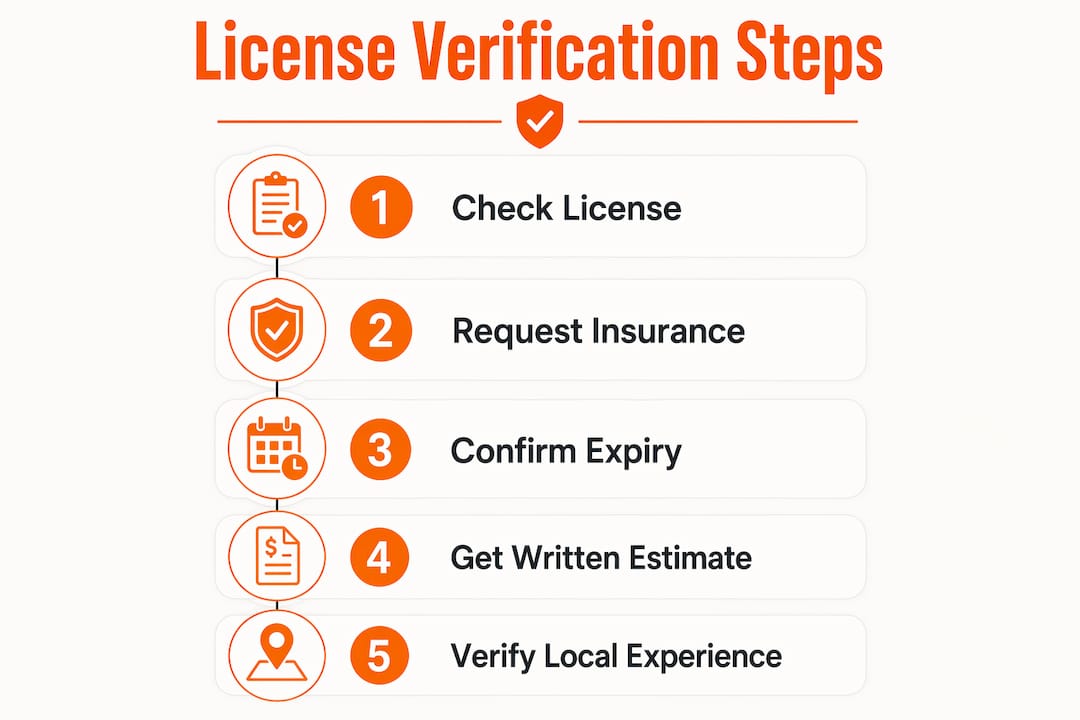
North Carolina requires septic contractors to hold a state-issued license through the NC Department of Environment and Natural Resources. Don’t take a contractor’s word for it. Verify the license number directly through the state environmental or health department’s online lookup — an active license confirms the contractor meets local environmental compliance standards.
Beyond the license, ask for the certificate numbers and expiry dates on both general liability and workers’ comp insurance. A contractor who hesitates to hand those over is a contractor worth skipping. Document everything before any work begins.
Does local experience with Alamance County soil types matter?
It matters more than most homeowners expect. Alamance County sits in the North Carolina Piedmont, where clay-heavy soils and variable percolation rates directly affect which system design will pass a site evaluation. A contractor who has installed systems in Burlington or Mebane knows which soil conditions require alternative designs — mound systems, drip irrigation fields, or low-pressure pipe layouts — rather than a standard conventional system.
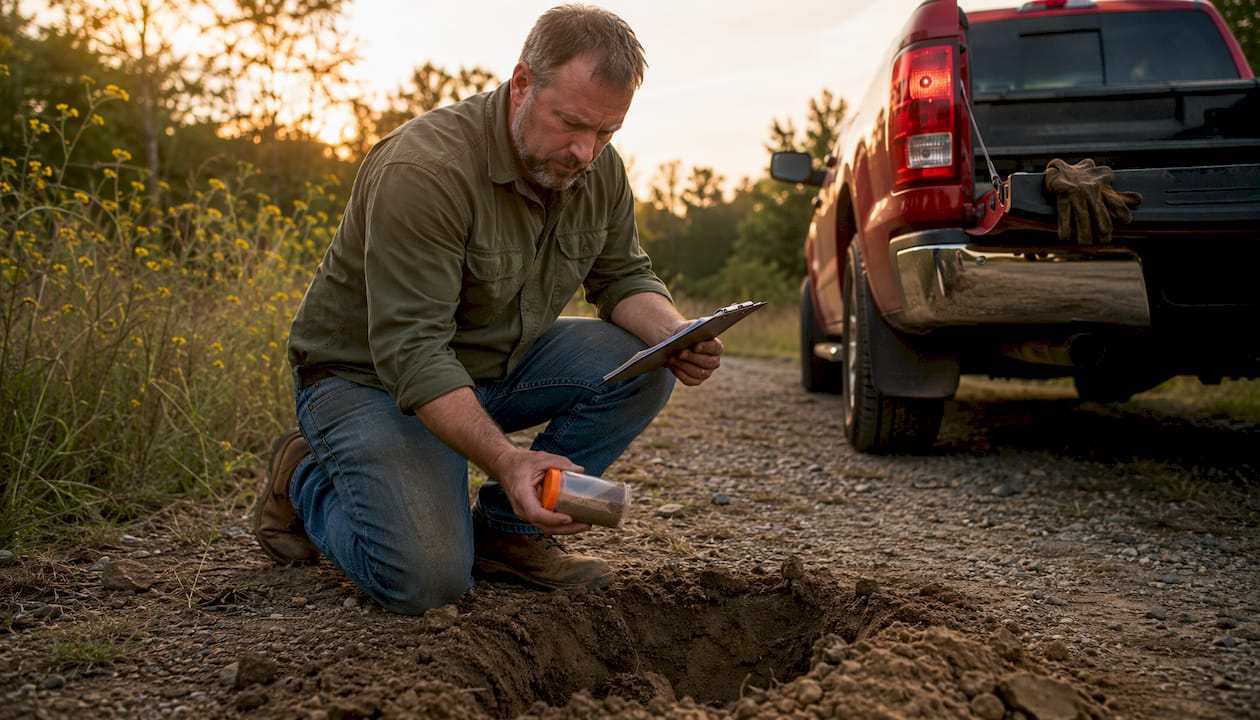
Ask specifically how many systems the contractor has installed in Alamance County and which types. A vague answer (“we work all over NC”) is less reassuring than a more detailed one that reflects local experience. Local knowledge also speeds up the permit process because the contractor already has a working relationship with county inspectors.
What services should a full-service septic contractor offer?
A complete provider covers the full range: new system installation, septic repairs, tank replacement, hydro jetting and sewer line cleaning, and ongoing maintenance. If a contractor only pumps tanks, they cannot handle a failing drain field or a cracked baffle. That forces you to hire a second company mid-crisis.
Hydro jetting deserves a specific mention. It clears grease buildup, root intrusion, and stubborn blockages that standard pumping misses. Not every local crew offers it, so confirm before you need it. For readers dealing with common septic problems like slow drains or standing water, knowing your contractor can handle the full diagnostic and repair in one visit saves significant time.
How much do reviews and warranties actually tell you?
Verified reviews from platforms like MySepticPros or FindSeptic carry more weight than a contractor’s own website testimonials because they come from authenticated homeowners. Look for patterns: repeated praise for punctuality and clear communication is a stronger signal than a single five-star rating. Ask for two or three local references you can call directly.
On warranties, a reputable contractor backs installation work with a written workmanship guarantee, typically covering parts and labor for at least one year. Get the warranty terms in writing before the job starts. Verbal promises disappear fast when something goes wrong six months later.
What drives cost and timeline for common septic jobs?
Costs vary more by site conditions than by contractor brand. A baffle replacement is a minor repair; a full drain-field replacement is a major project that can take several days and require a new permit. Soil percolation, system size, access difficulty, and permit fees all move the final number.
For a rough framework: routine pumping is the lowest-cost service, repairs to lines or baffles fall in the mid-range, and new installations or drain-field replacements sit at the high end. NC installation cost factors like soil type and lot size explain why two neighbors can get quotes that differ by thousands of dollars. Always request a written, itemized estimate so you know exactly what you’re paying for.
Timeline-wise, a pump or minor repair is typically same-day or next-day. A new installation, once permits are pulled, usually runs several days of active work spread over one to two weeks depending on inspection scheduling.
What red flags should you watch for before hiring?
A contractor who quotes a price over the phone without visiting the site is guessing. That guess almost always grows once they’re on your property. Other warning signs: no written contract offered, pressure to pay in full upfront, no mention of permits, and an inability to provide a license number on request.
Questions worth asking on the first call:
- What is your NC contractor license number?
- Can you provide certificates for general liability and workers’ comp?
- Have you worked in Alamance County recently, and can you share a local reference?
- Do you handle permit applications, or is that on me?
- What does your workmanship warranty cover and for how long?
- What is your emergency response time?
A contractor who answers these cleanly and without irritation is worth a second conversation.
Flat rate, hourly, or package deal — which pricing structure is better?
Flat-rate pricing gives you certainty: you know the total before work starts. Hourly billing can work for small diagnostic visits but creates open-ended exposure on larger jobs. Package deals (bundled pump-plus-inspection, for example) offer value if you need both services anyway, but read the fine print to confirm what’s actually included.
For any job beyond routine pumping, a flat-rate written estimate is the safest structure. It forces the contractor to scope the work accurately upfront and protects you from surprise charges. If a provider refuses to give a flat rate on an installation or repair, ask why — the answer tells you a lot.
What environmental and health compliance certifications apply in North Carolina?
North Carolina septic contractors operating under the NC Department of Environmental Quality must comply with state rules governing system design, installation, and inspection. For alternative or innovative systems (drip irrigation, aerobic treatment units), the contractor may need additional certifications beyond the standard license.
Ask any contractor whether they are certified to install the specific system type your site evaluation recommends. A contractor licensed only for conventional systems cannot legally install an aerobic treatment unit in NC. Confirm this before the site evaluation, not after.
What payment options and financing are available for larger projects?
Payment terms vary by contractor. Most require a deposit at signing and the balance on completion. For larger installations or drain-field replacements, ask whether the contractor offers payment plans or works with third-party financing. Some homeowners also qualify for USDA Rural Development loans or state-level assistance programs for septic system repair or replacement — worth checking if the project cost is significant.
A partner resource worth knowing: if a plumbing issue is tangled up with your septic diagnosis, a regional plumbing provider can help isolate whether the problem is inside the house or in the septic system itself, which affects which contractor you call first.
How does the permit process work, and should the contractor handle it?
In Alamance County, septic system installation and major repairs require permits through the county environmental health department. The process involves a site evaluation, soil testing, system design approval, and a final inspection. A contractor who handles permit applications as part of their service saves you significant back-and-forth with the county.
Ask explicitly: “Do you pull the permits, or do I?” A good contractor handles the application, coordinates the inspection, and keeps you informed at each stage. The NC homeowner guide on septic design covers the soil and design factors that drive permit requirements if you want to go in prepared.
What should a solid contract include, and what about cancellation?
A written contract should itemize every service, material, and cost. It should name the permit responsibility, the project timeline, payment schedule, and the warranty terms. Vague contracts (“install septic system, $X”) leave too much room for dispute.
On cancellation: ask before you sign what happens if you need to cancel after the permit is pulled or materials are ordered. Reasonable contractors charge for actual costs incurred; unreasonable ones charge a flat penalty regardless of work done. Get the cancellation terms in writing alongside everything else.
Jmseptic serves Alamance County and is ready to give you a written estimate

Jmseptic is a locally owned provider based in Mebane with hands-on experience across Burlington, Elon, Graham, Whitsett, and McLeansville. The full service list covers new installation, repairs, tank replacement, hydro jetting, and maintenance — no subcontracting the work out to a crew you’ve never met. For homeowners dealing with an active problem, the emergency septic repair page has local contact information and response details. For those planning a new build or major replacement, the NC installation guide walks through permits, cost factors, and what to expect at each stage.
When you call, have your tank age (if known), a description of symptoms, and your last pumping date ready. Ask for a written, itemized estimate and confirm the license number, insurance certificates, and warranty terms on that first call. Sharing a property plat or your county permit number speeds up the estimate considerably.
Pro Tip: Ask every provider you contact the same five questions in the same order — license number, insurance certificates, local references, permit handling, and warranty terms. Consistent questions make it easy to compare answers side by side and spot the contractor who hesitates.
Key Takeaways
Vetted local alternatives to jmseptic.com in Alamance County require license verification, written estimates, and confirmed local experience before any work begins.
| Point | Details |
|---|---|
| Use three directories | MySepticPros, NeedSeptic, and CompareSeptic let you filter by zip code, service type, and verified reviews. |
| Verify NC license and insurance | Confirm the active license number and insurance certificates directly — never rely on a contractor’s self-report. |
| Pump every 3–5 years | EPA guidance sets this as the standard interval; missing it turns routine maintenance into emergency replacement costs. |
| Get written, itemized estimates | Flat-rate written estimates protect you from scope creep and make comparing multiple bids straightforward. |
| Jmseptic covers Alamance County | Based in Mebane, Jmseptic offers installation, repair, hydro jetting, and emergency service across Burlington, Elon, Graham, Whitsett, and McLeansville. |