
Gurgling Pipes Problem Solving: Fix It Fast in 2026
Tackle gurgling pipes problem solving today! Learn to diagnose issues and know when to call a pro to prevent costly repairs. Read now!

That sound coming from your drain is not random. Gurgling pipes problem solving starts with understanding what the noise actually means: air is being pulled through the water seal in your P-trap because pressure in the drain system is out of balance. It is a pressure imbalance, not a minor quirk, and it usually signals either a clog, a blocked vent pipe, or a main sewer line issue. Left alone, all three can get worse and more expensive. This guide walks you through how to diagnose what you are hearing, what you can fix yourself, and when to call a professional.
Table of Contents
- Key Takeaways
- What you need before starting gurgling pipes problem solving
- How to diagnose the source of your gurgling drain
- Step-by-step fixes for common gurgling pipe causes
- When DIY is not enough
- Keeping your pipes quiet for the long term
- My take after years of working with gurgling drain calls
- Struggling with persistent gurgling? Jmseptic can help
- FAQ
Key Takeaways
| Point | Details |
|---|---|
| Gurgling signals a real problem | Air forced through your P-trap water seal means pressure is off in your drain or vent system. |
| Single vs. multiple fixtures matter | Gurgling at one fixture points to a local clog; gurgling at several fixtures at once suggests a vent or main line issue. |
| DIY has limits | Plunging and P-trap cleaning work for minor clogs, but roof vent work and main sewer issues need a professional. |
| Chemical cleaners make things worse | Harsh drain chemicals rarely fix vent or sewer restrictions and can damage your pipes over time. |
| Odors mean act now | Sewer smells paired with gurgling indicate your trap seal may be failing, which lets toxic gases into your home. |
What you need before starting gurgling pipes problem solving
Before you touch a single drain, gather the right tools and set some ground rules. Going in unprepared is the fastest way to turn a straightforward fix into a bigger repair job.
Tools to have on hand
| Tool | Purpose |
|---|---|
| Cup plunger | Clear soft clogs in sinks and tub drains |
| Flange plunger | Clear toilet clogs and create a better seal |
| Drain snake (hand auger) | Reach deeper obstructions beyond the P-trap |
| Flashlight | Inspect drains, under-sink pipes, and roof vent openings |
| Bucket and towels | Catch water when removing a P-trap |
| Garden hose | Flush a cleared roof vent from above |
| Rubber gloves | Protect your hands during any drain work |
Safety matters as much as the right tools. Clearing a roof vent is often the fix for vent-related gurgling, but it puts you on a ladder and then on your roof. If you are not comfortable at heights or your roof is steep, skip that step entirely and call a plumber. It is genuinely safer to pay for the service call.
One more point worth stressing: skip the chemical drain cleaners. Repeated use of products like Drano or Liquid-Plumr does not clear vent restrictions or main-line blockages, and the caustic chemistry can soften PVC and corrode older metal pipes over time. Mechanical methods get real results.
Pro Tip: Before doing anything else, run water in the affected fixture for 30 seconds and watch whether the gurgle happens while water is draining or just after it stops. That timing clue matters when you get to diagnostics.
How to diagnose the source of your gurgling drain
This is where most homeowners skip ahead too fast. Spending five minutes on a proper diagnosis will save you hours of trial-and-error fixing.
Here is a simple step-by-step method for tracking down the source of the noise:
- Run water in the gurgling fixture alone. Notice whether the sound comes from that same drain or from a nearby one.
- Test cross-fixture interactions. Flush the toilet and watch whether the sink drain gurgles. Run the washing machine and check if the tub drain makes noise. These cross-fixture effects are one of the clearest signals your vent system is involved.
- Note which floor or zone the gurgling is in. Gurgling isolated to one bathroom on one floor usually means a local clog. Gurgling that shows up in the kitchen and two bathrooms at the same time points to a shared vent stack or a main sewer restriction.
- Smell the air near drain openings. A rotten egg or sewage odor means your P-trap water seal may have been compromised by the pressure imbalance.
- Check drain speed. Slow drainage alongside gurgling confirms a partial blockage somewhere in the line.
Here is how to read what you find:
Single fixture gurgling with no effect on other drains almost always means a partial clog in the lateral pipe closest to that fixture. It is the most DIY-friendly scenario.
Multiple fixtures gurgling at once, especially when using a washing machine or flushing a toilet, tells you the shared vent stack or the main sewer line is restricted. That is not a plunger situation.
Pro Tip: Draw a quick sketch of your home’s drains and mark which ones gurgle and when. That map becomes extremely useful if you need to describe the problem to a plumber.
Step-by-step fixes for common gurgling pipe causes
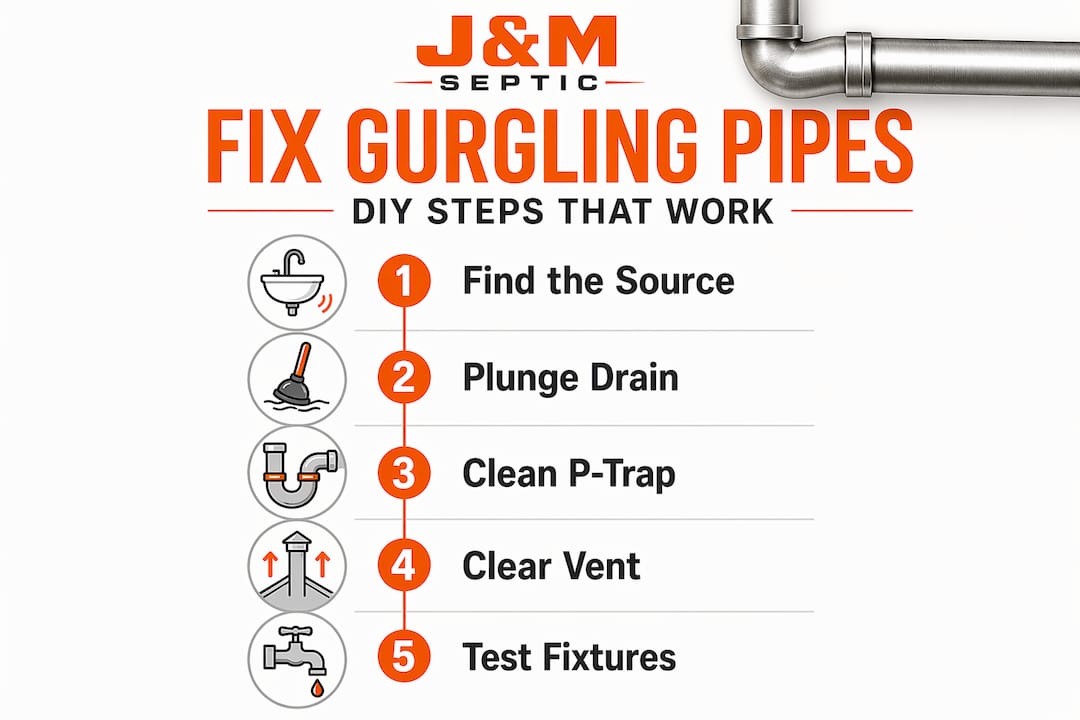
With your diagnosis in hand, you can target the right fix instead of guessing.
Fix 1: Clear a P-trap or drain clog
- Place a bucket under the P-trap (the curved pipe under your sink).
- Unscrew the slip nuts by hand or with channel-lock pliers and remove the trap.
- Clear out any debris, rinse the trap with hot water, and reinstall.
- Run hot water through the drain for two minutes to flush residual buildup.
- If gurgling continues, use a hand drain snake to probe further down the drain pipe.
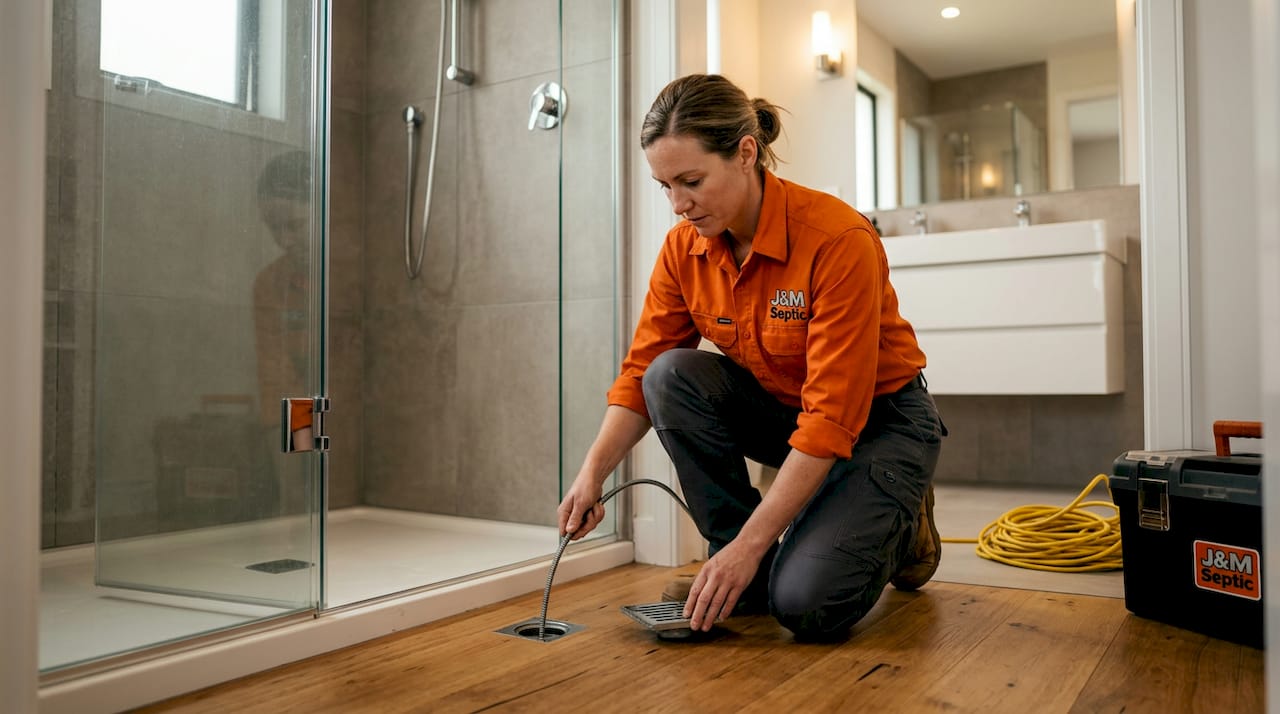
For tubs and showers, remove the drain cover and use a snake or a plastic hair-catching tool before reaching for anything more aggressive. You can also review these DIY drain clearing tips for more detail on safe technique.
Fix 2: Inspect and clear the roof vent
Roof vent blockages from leaves, bird nests, or debris are the most overlooked cause of gurgling in an otherwise clean drain system. Here is how to address it safely:
- Confirm the vent pipe location on your roof before climbing (it looks like a short, capped pipe protruding from the shingles).
- Use a secure, properly rated ladder and wear rubber-soled shoes.
- Look into the vent opening with a flashlight. If you see debris, use a gloved hand or a flexible brush to remove it.
- Feed a garden hose into the vent and run water for 60 seconds to flush any remaining material downward.
- If you meet resistance with the hose, that signals a deeper blockage requiring professional equipment.
Do not dig deeper than you can safely see. DIY vent clearing is possible for surface debris but becomes genuinely risky with deeper obstructions or if the roof pitch is steep.
Pro Tip: If you suspect a bird nest, call a local wildlife removal service first. In many states, disturbing active nests is regulated, and removing one incorrectly can create a bigger blockage than leaving it alone temporarily.
Here is a quick reminder of what to avoid throughout this process:
- Never pour boiling water into PVC drains (it warps the pipe fittings).
- Never use chemical cleaners after snaking, as the combination can splash back.
- Never lean over a roof vent opening without eyewear.
- Avoid chemical cleaners entirely if the clog is deep or the gurgling involves multiple fixtures.
When DIY is not enough
Some gurgling pipe scenarios genuinely require a professional, and pushing past that line yourself usually makes the repair more expensive.
Call a licensed plumber or septic technician if you notice any of these:
- Gurgling continues after clearing the drain and checking the vent
- Multiple fixtures are slow or gurgling at the same time
- You smell sewage or rotten eggs near any drain or in your yard
- Water backs up into a tub or toilet when you run another fixture
- Standing water appears in your yard above where sewer lines run
Persistent gurgling with odors is a serious signal. It means your drain system’s pressure problem has gotten severe enough to pull sewer gases past the trap water seals and into your home. Methane and hydrogen sulfide can cause headaches, nausea, and breathing problems, especially for children and elderly household members.
A professional plumber brings tools that change the game: a drain camera that shows exactly where a blockage or vent collapse sits, and smoke testing equipment that reveals cracks or gaps in vent pipes that no homeowner can detect from the outside.
After diagnosis, the most common professional fixes include hydro jetting to break up stubborn blockages, targeted vent pipe repair or replacement, and main sewer line clearing. Hydro jetting uses high-pressure water to cut through grease buildup, root intrusion, and compacted debris without harming the pipe walls. It is far more effective than snaking for anything in the main line.
The honest truth: repeated quick DIY fixes without treating the root cause delay the professional intervention you will eventually need, and usually at a higher cost.
Keeping your pipes quiet for the long term
Fixing the immediate problem is only half the work. These habits will keep your drain and vent system running cleanly.
- Inspect your roof vent twice a year, once in late fall after leaves drop and once in early spring. Trimming trees near your roofline reduces the debris that collects in vent openings.
- Keep grease out of drains. Pour cooled cooking grease into a container and throw it in the trash. Grease is the single biggest cause of partial clogs that produce gurgling over time.
- Run cold water while using the garbage disposal, then let it run for 30 additional seconds after you turn the disposal off to flush debris through the trap.
- Schedule a professional drain cleaning every one to two years if your home is older than 20 years or has a history of slow drains.
Here is a quick comparison to help you decide between a DIY check and a professional service call:
| Situation | Recommended action |
|---|---|
| Single drain gurgles, no odor | DIY: plunge, clean P-trap, flush with hot water |
| Single drain slow with gurgling | DIY: snake the drain, check P-trap |
| Multiple drains gurgling | Professional inspection needed |
| Gurgling with sewage odor | Call a professional immediately |
| Gurgling after heavy rain | Check yard for standing water; call a pro if present |
| Vent blockage suspected, roof is steep | Professional vent clearing recommended |
My take after years of working with gurgling drain calls
I have been out to homes where the homeowner had poured three different brands of chemical cleaner down a drain over two weeks before calling us. Every time, the gurgling came back within days. The reason is simple: chemical cleaners treat the symptom in the pipe immediately below the drain, but they do not reach a blocked vent stack 15 feet up, and they do nothing for a partial restriction in a shared sewer line.
The vent system is where I see homeowners get blindsided most often. You can have a perfectly clean drain and still hear gurgling every time your toilet flushes. That is almost always a vent problem. A blocked vent means air has nowhere to go when water pushes through the pipe, so it fights back through the nearest water seal. The gurgling sound is literally air forcing its way past the water in a trap.
What I tell every homeowner: run the fixture behavior test first. Use one drain at a time and watch what happens elsewhere in the house. That test takes five minutes and tells you more than an hour of random plunging. If the noise travels, the problem is upstream. If it stays local, start with the trap and work your way back.
The cost difference between catching a partial vent blockage early and waiting until you have sewer gas in your home, or a collapsed lateral line, is significant. Early calls are almost always simpler and less expensive fixes. Do not wait until the smell gets bad.
— Jason
Struggling with persistent gurgling? Jmseptic can help
If you have worked through the steps above and the noise keeps coming back, or if your gurgling comes with slow drains and odors across the house, it is time to bring in a professional.

Jmseptic serves homeowners across Alamance County and the Piedmont Triad area, including Burlington, Mebane, Graham, Elon, and surrounding communities. The team handles everything from sewer line cleaning and camera inspections to hydro jetting and full septic system repairs. If you are on a septic system, understanding your septic tank setup is the first step to knowing what could be causing your gurgling. For emergency situations involving backups or sewer gas odors, Jmseptic offers urgent septic repair for Alamance County homes. Give them a call before a fixable problem turns into a major excavation.
FAQ
What causes gurgling pipes in my home?
Gurgling happens when air is pulled through the water seal in your P-trap due to a pressure imbalance caused by a clog, a blocked vent pipe, or a main sewer line restriction. The sound is air forcing its way through the trap, not water moving normally.
How do I know if gurgling is a vent problem or a clog?
If only one fixture gurgles and others are unaffected, you likely have a localized clog near that drain. If multiple fixtures gurgle at the same time, especially when flushing a toilet or running the washing machine, your vent stack or main sewer line is probably restricted.
Can I fix gurgling pipes myself?
Yes, for localized clogs. Clearing the P-trap, plunging the drain, and carefully inspecting the roof vent for debris are all reasonable DIY steps. If the gurgling persists or involves multiple fixtures with odors, a professional inspection is the safer and more effective path.
Why should I avoid chemical drain cleaners for gurgling pipes?
Chemical cleaners do not reach vent restrictions or main-line blockages, which are the most common causes of gurgling. They also risk damaging PVC and older metal pipes with repeated use. Mechanical methods like snaking and hydro jetting are safer and get real results.
When is gurgling in pipes a health risk?
When gurgling is paired with a sewage or rotten egg smell, the P-trap water seal may have failed, allowing sewer gases including methane and hydrogen sulfide into your home. These gases can cause headaches, nausea, and breathing problems. Call a plumber immediately if you notice both symptoms together.