
Get Quality Service Today for Your NC Septic System
Ensure your NC septic system gets quality service today! Discover tips for choosing reliable contractors and maintaining your system effectively.

Not all septic contractors are created equal, and for North Carolina homeowners, that distinction can mean the difference between a functioning system and a $15,000 failure. When you need quality service today, the standard industry term is service excellence, and it requires more than a truck showing up on time. It means licensed work, documented diagnostics, transparent pricing, and a contractor who knows your county’s soil conditions and local codes. This guide cuts through the confusion and gives you a clear framework for finding, evaluating, and maintaining truly top-notch septic service in North Carolina.
Table of Contents
- Key Takeaways
- What quality service today actually means for NC septic systems
- Handling septic emergencies with the right expectations
- Routine maintenance and inspection for NC homeowners
- Comparing septic service providers in NC
- My honest take on finding the right septic contractor
- Ready for reliable septic service in Alamance County?
- FAQ
Key Takeaways
| Point | Details |
|---|---|
| Credentials matter most | Always verify licensing, insurance, and permits before hiring any NC septic contractor. |
| Emergency response quality | A quality contractor stops the damage first, then diagnoses before pricing the repair. |
| Inspection every 3 to 5 years | Most NC septic systems need professional inspection within that window based on usage and tank size. |
| Ask specific questions | Ask about response times, equipment, local experience, and warranty before signing anything. |
| Maintenance prevents failure | Regular service contracts catch small problems before they become expensive emergencies. |
What quality service today actually means for NC septic systems
The phrase “quality service” gets thrown around so loosely it has almost lost meaning. For septic systems in North Carolina, service quality has a concrete definition. It includes licensed and insured contractors, proper permits pulled before work begins, written diagnostics, and pricing that is explained before a shovel hits the ground.
North Carolina does not maintain one centralized, easy-to-find public database of verified septic credentials, which puts more pressure on you as the homeowner to do the vetting yourself. A licensed contractor in NC should hold a valid Onsite Wastewater Contractor license from the state. If they cannot show you that license number on request, that is your answer.
Documented diagnostics separate average providers from genuinely excellent ones. When a contractor arrives, they should assess your tank, drainfield, and inlet and outlet baffles before recommending any work. A written report, even a brief one, tells you they ran a real inspection rather than making a judgment call from the driveway.
Customer reviews and pricing transparency also carry real weight. Licensed NC providers with strong reputations consistently earn positive reviews for clear communication, honest cost breakdowns, and showing up when they said they would. If a company cannot explain what they are charging you for and why, find another one.
- Verify the contractor’s NC Onsite Wastewater Contractor license number
- Confirm they carry general liability insurance and workers’ compensation
- Ask if they will pull the required permits before starting any installation or major repair
- Request a written diagnostic summary before approving any work
- Check Google and local reviews specifically for communication and pricing mentions
Pro Tip: When you call a septic company, ask directly: “Will you pull the permits for this job?” A reputable contractor says yes without hesitation. Anyone who hedges is a risk you do not want to take.
Handling septic emergencies with the right expectations
A septic emergency is not just inconvenient. Raw sewage backing into your home or standing water over your drainfield poses genuine health risks and can cause structural damage. Knowing what a quality contractor does differently in an emergency versus a standard service call protects you from rushed, incomplete repairs.
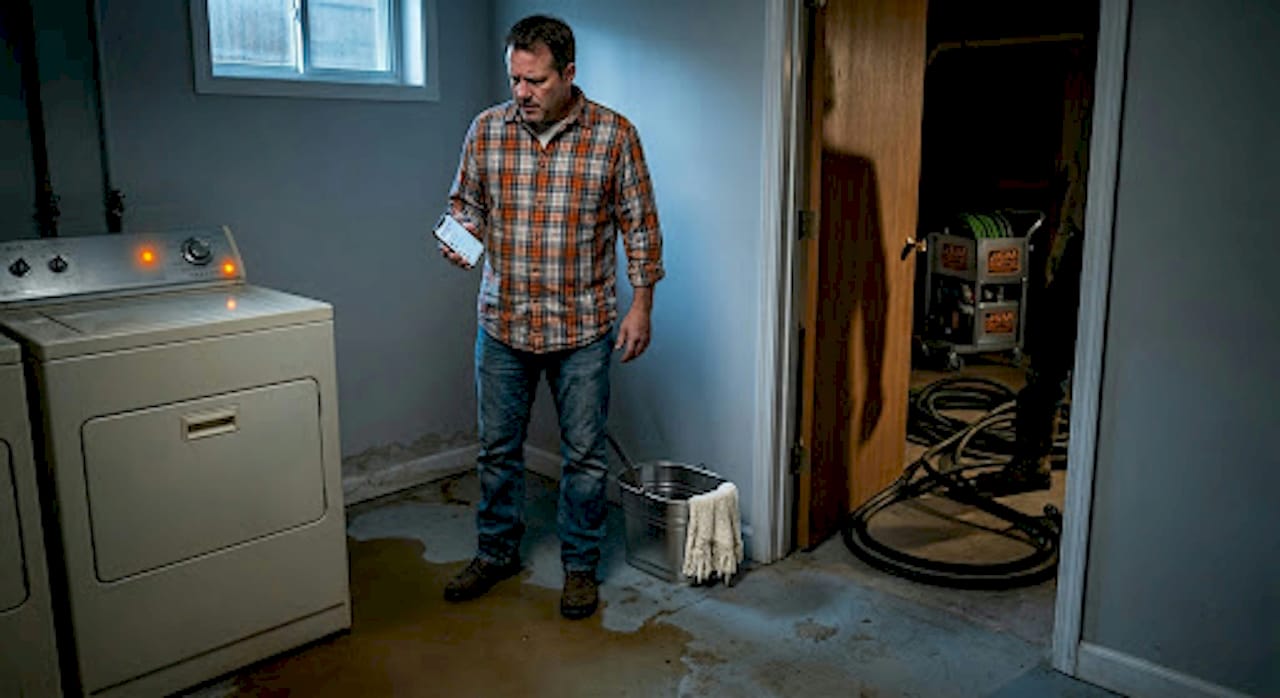
Emergency diagnostics typically start with one immediate step: stop adding water to the system. Showers, laundry, dishwashers, and even toilet flushes all push more volume into an already overwhelmed system and make the damage worse. A quality contractor will tell you this the moment you describe the problem over the phone.
Here is what the response process should look like from a reputable provider:
- Intake call: The contractor asks about your symptoms, system age, household size, and last service date to begin triaging before arrival.
- On-site assessment: They locate your tank, access it, and assess the level and condition before touching anything else.
- Root cause identification: A quality provider does not just pump and leave. They identify whether the issue is a full tank, a broken baffle, a clogged line, or a drainfield failure.
- Clear communication: Before any repair work begins, they explain what they found, what needs to be done, and what it will cost.
- Documented repair: They leave you with a written record of what was done, which matters if the problem recurs or if you sell the house.
Pro Tip: If a contractor pumps your tank during an emergency and declares the problem solved without inspecting the drainfield or baffles, call someone else. A full tank is often a symptom, not the cause.
Urgent repairs protect your property value and your family’s health. The longer a failing system sits without proper attention, the more expensive the fix becomes and the greater the risk to your yard, your well water, and your home.
Routine maintenance and inspection for NC homeowners
Most NC homeowners underestimate how simple it is to avoid a septic crisis. The math is straightforward. A routine inspection costs a fraction of what an emergency repair or full system replacement runs. Yet septic inspection intervals in NC typically range from 3 to 5 years depending on your tank size, how many people live in the home, and what your system’s history looks like.
Worth noting: there is currently no official NC regulatory guidance that mandates specific inspection intervals for most residential systems. That gap puts the responsibility squarely on you. Using the 3 to 5 year window as your guide, combined with watching for the warning signs below, is your best defense.
Signs your system needs professional attention before your next scheduled inspection:
- Slow drains in multiple fixtures at once, not just one sink or toilet
- Gurgling sounds from pipes after using water
- Sewage odors inside the house or near the tank area outdoors
- Wet or unusually green patches of grass over the drainfield
- Any sewage backup, no matter how minor it seems
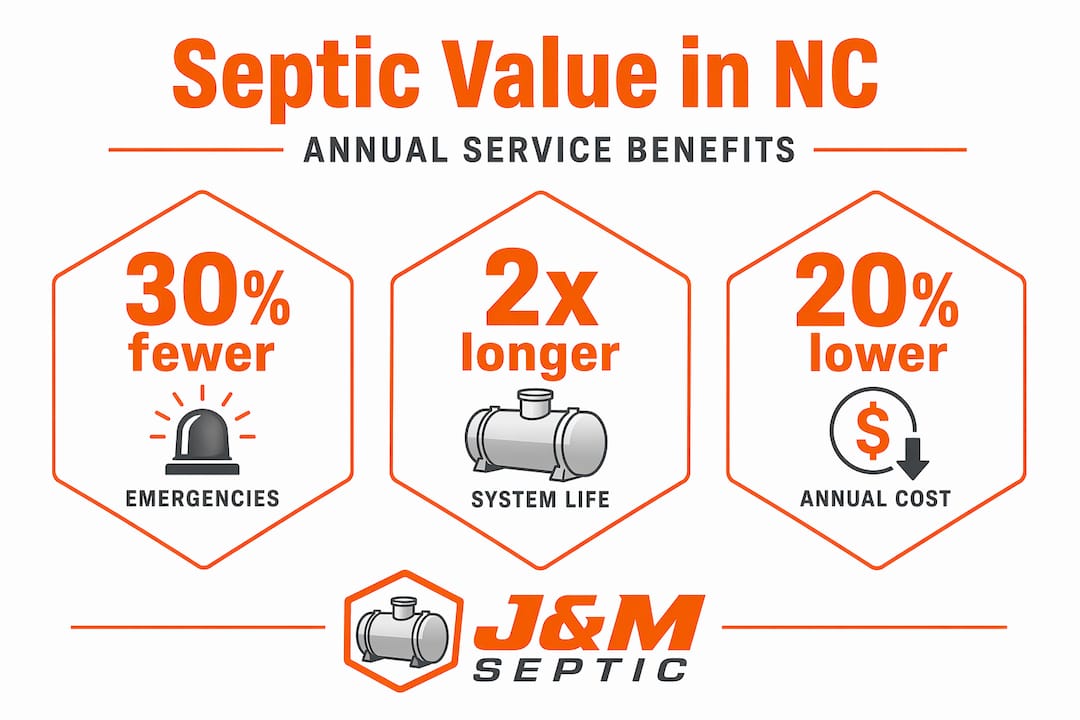
Maintenance service contracts that include scheduled inspections and minor repairs have proven to lower emergency call rates significantly. They also create a service history for your system, which buyers and inspectors look for when you eventually sell.
Here is a practical comparison of maintenance approaches to help you plan:
| Maintenance approach | Typical frequency | Average cost range | What it includes |
|---|---|---|---|
| Basic pump-out only | Every 3 to 5 years | $300 to $600 | Tank pumping, basic visual check |
| Full inspection and pump | Every 3 years | $400 to $800 | Pumping, baffle check, line inspection, written report |
| Annual maintenance contract | Yearly | $150 to $400 per year | Scheduled visits, early issue detection, priority scheduling |
| Emergency repair call | As needed | $500 to $3,000+ | Reactive diagnosis and repair, no preventive value |
The annual contract option consistently delivers the best long-term value. You pay less per visit, you get priority scheduling when something goes wrong, and your contractor builds familiarity with your specific system over time.
Comparing septic service providers in NC
Not every septic company offers the same range of services, and understanding what you are hiring for saves you time and money. NC homeowners typically encounter four categories of providers: full-service contractors who handle installation, maintenance, and repairs; maintenance-only companies focused on pumping and inspections; emergency-only responders; and specialty installers for custom or advanced systems.
Custom septic systems are worth mentioning here because they are not just for unusual properties. A properly designed system accounts for your soil percolation rate, lot size, and household size in ways that a standard one-size system does not. Experienced NC installers who understand local soil conditions and state permitting requirements produce systems that last longer and fail less often.
Before you hire anyone, ask these questions directly:
- How long have you worked with septic systems specifically in this county?
- What is your typical response time for emergency calls?
- Do you provide a written estimate before starting work?
- What warranty do you offer on installation or repair work?
- Can you provide references from recent jobs in my area?
The answers reveal far more than a company’s website ever will. A contractor who hesitates on any of these, especially the warranty question, is telling you something. Asking detailed questions upfront is the single fastest way to separate experienced professionals from those who will leave you with a bigger problem than you started with.
My honest take on finding the right septic contractor
I’ve seen homeowners make the same two mistakes repeatedly. The first is hiring based on price alone. The cheapest bid feels like a win until the repair fails within a year and the contractor is unreachable. The second mistake is assuming that a license automatically means quality. I’ve worked with fully credentialed contractors who had no idea how to communicate with a homeowner during a stressful emergency.
What actually predicts a good outcome, in my experience, is how a contractor behaves before the job starts. Do they ask the right questions on the intake call? Do they give you a clear written estimate without being pushed? Do they explain what they found in plain language rather than industry jargon designed to justify a higher price?
Communication is the real differentiator. In an emergency, you do not have time to decode technical language or chase someone down for an update. The contractors worth calling are the ones who treat you like an adult, give you the straight answer, and tell you the cost before touching anything.
I’d also push back on the idea that the most expensive option is always the safest. Transparent, fair pricing from a locally experienced provider almost always beats a big company charging a premium for the brand name. Focus on track record in your specific area, written documentation of all work, and a contractor who returns your calls. Everything else is secondary.
— Jason
Ready for reliable septic service in Alamance County?
At Jmseptic, we handle everything from new system installations to urgent repair calls across Burlington, Mebane, Graham, Elon, and the surrounding Piedmont Triad area. We pull permits, provide written diagnostics, and give you upfront pricing before any work begins. No surprises, no runaround.

Whether you need a new septic installation designed for your property’s specific soil and layout, or you are dealing with a backup right now and need someone on-site fast, Jmseptic is the locally owned team that Alamance County homeowners trust. Our emergency repair service gets a technician to your property quickly, and our maintenance plans keep your system out of crisis mode year after year. Call us today and get the honest, experienced service your home deserves.
FAQ
What makes a septic service provider truly qualified in NC?
A qualified NC septic contractor holds a valid Onsite Wastewater Contractor license, carries proper insurance, and pulls required permits before any installation or major repair. Verified credentials and documented diagnostics are the clearest indicators of professional quality.
How often should I have my septic system inspected in North Carolina?
Most NC residential septic systems should be inspected every 3 to 5 years, depending on tank size, household usage, and service history. There is currently no official state mandate specifying intervals, so homeowners should use this range as their baseline.
What should I do first when I suspect a septic emergency?
Stop all water use in the home immediately to prevent adding volume to an already stressed system. Then call a licensed contractor who will assess the tank and lines before recommending repairs, rather than simply pumping and leaving.
Are custom septic systems worth the extra cost for NC homeowners?
Yes, in many cases. Custom-designed systems account for your soil type, property layout, and household demand in ways that standard systems do not, leading to fewer failures and lower long-term repair costs.
How do I know if a maintenance contract is worth it?
If you have had any emergency calls, slow drain issues, or your system is over 10 years old, a maintenance contract almost certainly pays for itself. Preventive service plans catch problems early and typically include priority scheduling for emergency calls.