
Homeowners: If Septic Tank Foam Persists 48 Hours, Call a Pro
Thin foam after laundry is often just soap. Get quick steps to calm foam, EPA-backed inspection timing, and when to call a pro if it persists 48 hours.

A little bit of foam on top of the water in your septic tank is usually harmless. It’s often just soap and detergent doing what soap does. But thick, persistent foam, especially paired with slow drains, gurgling pipes, or soggy patches over your drainfield, means something in the system is out of balance and needs a closer look soon.
TL;DR:
- Persistent foam alongside slow drains, gurgling pipes, or lush grass over the drainfield indicates possible system saturation or blockage, not just soap buildup.
- Overuse of high-suds detergents, grease, or overcrowded water schedules can contribute to foam, but mechanical issues like vent blockages and aerator failures are often the root causes.
- Regular inspection and pumping every three to five years are crucial, with neglect increasing the risk of foam turning into systemic failure.
- Homeowners should log foam occurrences, avoid chemical additives, and limit water use as immediate steps before calling a professional.
- A professional assessment measures scum and sludge depths, inspects system components, and evaluates drainfield health to diagnose and fix underlying problems.
Table of Contents
- What Causes Foam in a Septic Tank
- Is the Foam a Warning Sign or Just Soap?
- What to Do Right Now if You See Foam
- Preventing Foam Buildup Before It Starts
- When to Call a Septic Professional
- How We Diagnose Foam Issues on a Service Call
- What Actually Matters Here (And What Doesn’t)
- Get Your Septic System Checked Before Foam Becomes a Bigger Problem
- Sources
What Causes Foam in a Septic Tank
Foam forms when surfactants, the chemical compounds in soaps and detergents, trap air bubbles and hold them together at the surface of the water. Plain water bubbles pop almost instantly. Water loaded with surfactants creates a film around each bubble strong enough to survive for minutes or hours, and that film is what stacks up into visible foam. Add any kind of agitation, water splashing in from a washing machine drain, air getting forced through the liquid, and you give those bubbles a reason to multiply.
Most foam problems trace back to substances entering the system, such as high-suds laundry detergents, automatic dishwasher pods, kitchen grease and food solids (especially from garbage disposals), household degreasers, solvents, heavy bleach use, and excessive water use in a short period.
System-side issues cause foam too, and these are the ones homeowners tend to miss. A blocked or partially obstructed vent stack changes how air moves through the tank, and trapped gas has to escape somewhere, often bubbling up through the effluent. In aerobic treatment units, a failing aerator or mixer can whip air into the wastewater the same way a kitchen blender aerates a smoothie. Sudden surge flows, like a full house of guests running showers and laundry at once, overload the tank’s normal settling process and stir things up mechanically.
There’s also a mechanical cause specific to certain system designs. Some media-filter or packaged treatment systems use open-celled foam cubes as filtration media, and that porous material can physically trap bubbles in ways a conventional tank never would. And in aerobic systems specifically, filamentous bacteria can occasionally cause a stubborn, mousse-like foam that behaves differently from a simple detergent problem. That kind of foam usually needs a lab check to confirm, not a guess from the yard.
Is the Foam a Warning Sign or Just Soap?
The context around the foam tells you more than the foam itself. A thin, white layer that shows up after laundry day and clears within a day or two is typically just surfactant buildup working its way through the system. That’s normal operation, not a red flag.
Persistent, thick foam that doesn’t go away, or foam that shows up alongside other symptoms, is a different story. Watch for these together:
- Drains that empty slower than usual, especially in multiple fixtures at once
- Gurgling sounds from pipes when you run water or flush.
- A strong sewage odor near the tank, drainfield, or inside the house
- Water backing up into a tub or shower when you run the washing machine
- Grass over the drainfield that’s greener, taller, or wetter than the surrounding lawn
That last one matters more than people realize. Signs like slow drains, gurgling, and unusually lush grass growth over a drainfield commonly point to drainfield saturation or a blockage, not a simple soap issue. Foam is sometimes the first visible clue that wastewater isn’t draining out of the tank the way it should, which means it’s backing up rather than moving through the system.
The distinction that matters: benign foam is intermittent and tied to a specific cause you can point to, like a new detergent brand. Problem foam is persistent, shows up regardless of what you changed, and tends to travel with at least one other symptom on the list above. Ignoring the combination risks tank overflow, contamination of nearby groundwater, and expensive damage to the drainfield that’s far costlier to fix than the tank itself.
What to Do Right Now if You See Foam
Before you call anyone, there are a few things you can do today to calm the situation down and gather information a technician will actually use.
- Stop using high-foaming products immediately. Switch to a low-suds, HE-compatible laundry detergent and skip the dishwasher for a day or two if foam is heavy.
- Cut back on water volume. Space out showers, laundry, and dishwasher cycles instead of running them all in the same afternoon.
- Log what you see. Note the date, what appliance ran beforehand, and how thick the foam looked. This timeline is gold for a technician trying to isolate the cause.
- Skip harsh chemicals. Don’t dump bleach, drain cleaner, or a “septic fix” additive into the tank hoping to knock the foam down. Some of these products kill the bacteria your system depends on.
- Leave the tank lid alone. Never open the tank and never lean over it to look inside for an extended period.
That last point isn’t optional caution, it’s a hard safety line; for detailed guidance on maintaining your system’s components, see our water system checks for small farms & homesteads. Never enter a septic tank under any circumstance. Toxic gases like hydrogen sulfide can build up inside and are genuinely lethal in a confined space, and there’s no home fix worth that risk. If foam is severe enough that you’re tempted to physically break it up or scoop it out, that’s a job for someone with ventilation equipment and gas monitors, not a homeowner with a broom handle.
Pro Tip: Keep a running note on your phone every time you notice foam, even if it seems minor. When a technician arrives, a two week pattern of “foam after laundry, gone by morning” tells them far more than a single snapshot ever could.
Preventing Foam Buildup Before It Starts
Foam prevention isn’t complicated, but it does require treating your septic tank like the living biological system it actually is rather than a drain that disappears problems.
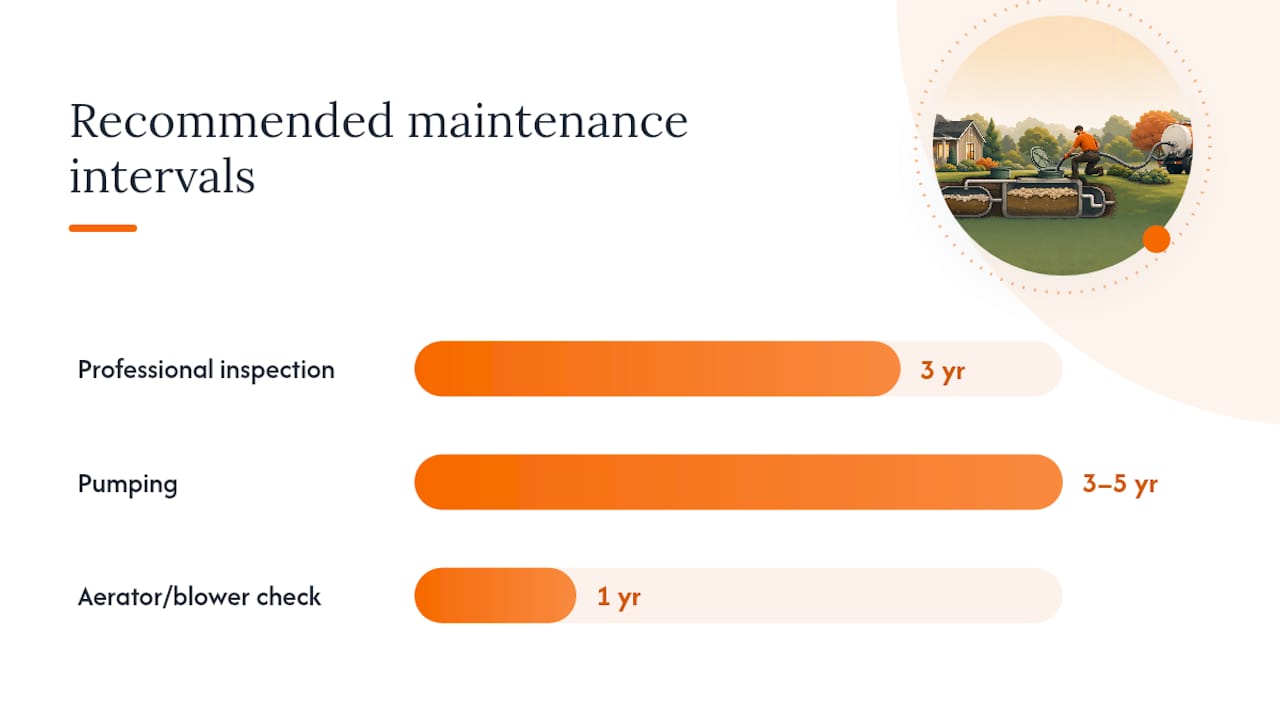
Start with the schedule. The EPA recommends a professional inspection roughly every three years and pumping every three to five years, adjusted for household size and how much solid waste goes down the drains. Skipping this cadence is the single most common reason small foam issues turn into full system failures. If you’re not sure where your household falls on that range, a pumping frequency guide can help you figure out realistic timing for your home.
Beyond the calendar, a handful of daily habits matter more than most homeowners assume:
- Switch to septic-safe, low-foaming detergents and dish soap
- Keep grease and cooking oil out of the sink entirely, even with a garbage disposal running
- Limit garbage disposal use overall, since food solids add to the organic load bacteria have to break down
- Space out heavy water use instead of running every appliance in one stretch
- Keep the vent stack clear of debris, leaves, and nesting materials
- If you have an aerobic system, have the aerator or blower checked annually and clean the effluent filter on schedule
Limiting what goes into the system, particularly grease and high-sudsing cleaners, is consistently cited as the most effective prevention step available to homeowners. It costs nothing and takes no special skill, just a change in habit.
One thing worth saying plainly: skip the additives.
EPA guidance states that most septic systems do not need commercial additives to operate properly and points to regular inspection and pumping as the reliable path instead. The bacteria already doing the work in your tank don’t need a bottled boost. What they need is enough space and the right conditions, which only pumping and inspection actually provide.
If you want a broader look at habit changes that head off bigger failures down the road, a prevention-focused guide covers more ground than foam alone.
When to Call a Septic Professional
Certain situations call for a phone call rather than a wait-and-see approach. Get a technician out if foam shows up alongside backups or odors, if it persists longer than 48 hours with no clear cause, if it comes back after you’ve already made changes at home, or if you see effluent pooling on the ground anywhere near the tank or drainfield.
A proper inspection follows a specific sequence, and it’s worth knowing what a technician is actually checking:
- Measuring scum and sludge depth relative to the outlet baffle, since buildup too close to the outlet signals it’s time to pump
- Inspecting baffles and effluent filters for clogs or damage
- Checking vent stacks for blockages that could be forcing gas through the wastewater
- Testing aerator or blower performance on aerobic systems
- Evaluating the drainfield for saturation, pooling, or unusual vegetation
Professional inspections use measurable thresholds, not guesswork. If the bottom of the scum layer sits within six inches of the outlet, or sludge has built up within twelve inches of it, pumping is called for regardless of what the surface foam looks like. That’s the kind of detail you can’t eyeball from the yard.
Depending on what’s found, the fix might be as simple as a pump and clean, or it might involve clearing a blocked line with hydro-jetting, repairing or replacing an aerator, or a deeper look at drainfield health. Ask for a written service report listing the scum and sludge depths and whatever the technician recommends next. That document becomes your baseline for the next inspection.
How We Diagnose Foam Issues on a Service Call
When Jason and the team at J&M Septic get a call about foam, the first move is always the same: stop guessing and start measuring. That means scum and sludge depth against the outlet baffle, a check on baffle and filter condition, a look at the vent stack, and, where relevant, a functional test on the aerator or blower. Drainfield observation rounds it out, because foam that traces back to saturation looks nothing like foam caused by a bad detergent habit.

A typical call plays out like this: a homeowner notices foam for a few days, mentions it happened after switching laundry detergent, and assumes that’s the whole story. Once we’re on-site measuring sludge and checking the vent stack, we sometimes find a partially blocked line contributing more than the detergent ever did. Fixing both at once, habit and hardware, is what actually stops it from coming back.
A local septic service company serves homeowners across Alamance County and the surrounding Piedmont Triad, including Burlington, Mebane, Elon, Graham, Whitsett, and McLeansville, with the diagnostics and hands-on repair work that foam problems usually call for.
What Actually Matters Here (And What Doesn’t)
The conventional advice on septic foam spends too much energy on identifying the exact detergent brand at fault and not nearly enough on the maintenance calendar. That’s backwards. A household that pumps every four years on schedule and occasionally uses the wrong dish soap is in far better shape than one running septic-safe everything but skipping inspections for a decade.
Here’s what I think gets underweighted: foam is a symptom, not a diagnosis. Treating it like a puzzle to solve with the right laundry pod misses that the tank’s bacterial ecosystem and mechanical components, vents, baffles, aerators, are what actually determine whether foam stays cosmetic or turns into a backup. Homeowners chase the wrong variable because it’s the one they can control from the store aisle.
If there’s one thing to prioritize first, it’s the log. Not a new detergent, not an additive. Write down when foam shows up and what happened right before it. That single habit turns a vague complaint into a diagnosable pattern the moment a technician walks up to the tank, and it costs you nothing but a note on your phone.
— Jason
Get Your Septic System Checked Before Foam Becomes a Bigger Problem
Persistent foam rarely fixes itself, and guessing at the cause usually means paying twice, once for the wrong fix and once for the right one. A local septic service company handles the full range of diagnostics and repair work foam issues call for: tank inspection, septic tank pumping, aerator and mixer repair, hydro-jetting for blocked lines, effluent filter cleaning, and drainfield evaluation when saturation is the real culprit.

Before your visit, jot down a quick symptom log: when the foam started, any recent switch in cleaning products, and whether drains or odors changed too. That handful of details lets a technician narrow down the cause faster once they’re on-site measuring scum and sludge depth. If you’re also weighing a repair against a longer-term system upgrade, the septic tank pump service page walks through what a standard visit covers. Ready to get a technician out to look at it? Book an inspection and get a straight answer on what’s causing the foam before it turns into a backup.
Sources
- Septic Systems | Frequent questions and answers (EPA)
- Signs of failure for septic systems (Washington State Department of Health)
- Pump the Septic Tank (Ohioline, Ohio State University Extension)