
Eco-Friendly Septic Solutions for Homeowners in 2026
Discover innovative eco-friendly septic solutions for 2026 that protect groundwater and reduce pollution, ensuring responsible waste management.

Eco-friendly septic solutions are advanced waste treatment systems that use biological purification, renewable filter materials, and oxygen-enhanced processes to protect groundwater and reduce pollution at the source. The industry term for this category is “alternative onsite wastewater treatment,” and it covers everything from aerobic treatment units to coconut husk biofilters that replace traditional gravel and sand with biodegradable media. These systems go far beyond containment. They actively treat effluent before it reaches the soil, cutting nitrogen loads, removing pathogens, and preserving the aquifers your neighbors and community depend on. If you manage a property in 2026, understanding these options is the first step toward responsible, cost-effective waste management.
1. Top eco-friendly septic technologies available right now
The most effective sustainable septic systems share one trait: they treat wastewater rather than simply holding it. Here are the leading technologies worth knowing.
Aerobic treatment units (ATUs) inject oxygen into the treatment chamber, accelerating bacterial breakdown of waste. The result is effluent that is significantly cleaner than what a conventional anaerobic tank produces, making ATUs a strong fit for properties near sensitive water bodies or with poor soil absorption.
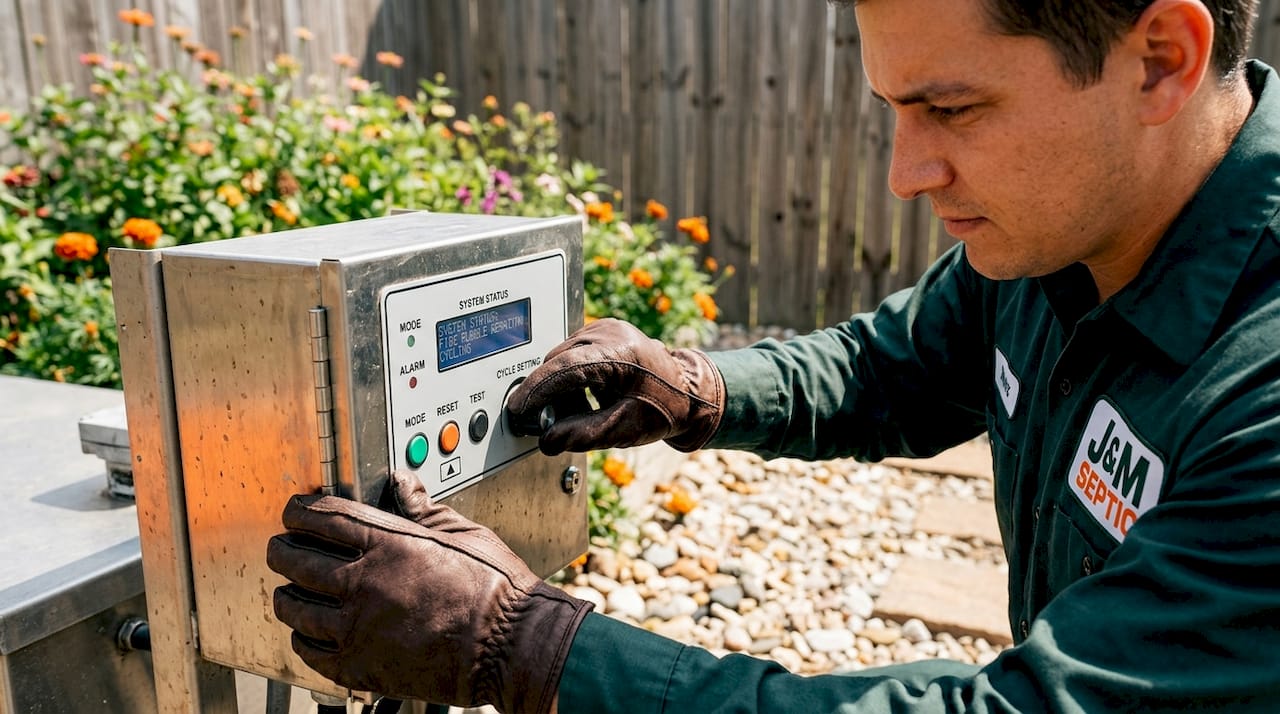
Biofilter systems use renewable media instead of gravel. Peat moss and coconut husk fragments are the two most proven options. Both materials are biodegradable, highly porous, and effective at stripping contaminants from effluent as it percolates through. They also support microbial colonies that continue breaking down organic matter long after the liquid has passed through.
Enhanced Nutrient Reduction (ENR) systems represent the regulatory frontier. In Florida’s Basin Management Action Plan zones, for example, regulators now mandate ENR systems that reduce effluent nitrogen from a typical 40 to 60 mg/L down to below 20 mg/L. That is a minimum 65% nitrogen reduction, and similar mandates are spreading to other ecologically sensitive regions across the country.
Compact drip irrigation systems pair with ATUs to distribute treated effluent through shallow tubing across a wider area, reducing surface ponding and odors while blending into normal landscaping. These systems have a smaller physical footprint than traditional drainfields, which matters on smaller lots.
- ATUs: best for high-water-table properties and regulated zones
- Biofilters with peat moss or coconut husk: best for eco-conscious upgrades on existing systems
- ENR systems: required in designated ecological protection zones
- Compact drip systems: best for small lots or properties with landscaping constraints
Pro Tip: Before selecting a system, check your county’s soil evaluation report. Soil type determines which technologies are permitted and which will perform best on your specific property.
2. Eco-friendly maintenance practices that protect your system and the environment
The greenest septic system on the market fails without consistent maintenance. Good habits cost far less than repairs, and they directly reduce your environmental footprint.
-
Pump your tank every 3 to 5 years. Neglecting pumping causes solids to migrate into the drainfield, clogging it irreversibly. Drainfield replacement runs $5,000 to $15,000, while a routine pump-out costs $300 to $600. The math is straightforward.
-
Use bacteria-based treatments, not chemical additives. Chemical additives disrupt the bacterial colonies that break down waste, accelerating system degradation rather than preventing it. Enzyme and bacteria-based products support the biological process your system depends on.
-
Reduce water load on the system. Hydraulic overload from excessive water use is one of the fastest ways to cause system failure. Fix leaking toilets, stagger laundry loads across the week, and install low-flow fixtures to keep daily water volume manageable.
-
Limit garbage disposal use. Garbage disposals increase solid accumulation in the tank by 30 to 50%, pushing you toward more frequent pumping and stressing the biological treatment process. Composting food scraps is the better choice for both your system and your yard.
-
Protect your drainfield with the right plants. Grass and low-rooting ornamentals stabilize drainfield soil without threatening pipes. Large trees and vegetable gardens introduce roots that crack distribution lines and contaminate produce with untreated effluent.
-
Clean your effluent filter annually. Most modern tanks include an effluent filter at the outlet baffle. Rinsing it once a year prevents solids from reaching the drainfield and extends the life of the entire system.
Pro Tip: Keep a written log of every pump-out, inspection, and repair. Accurate system records prevent accidental damage during landscaping or construction projects and are required documentation if you ever sell the property.
3. Comparing eco-friendly septic options: cost, effectiveness, and fit
Choosing the right system means weighing upfront cost against long-term performance and regulatory requirements. The table below compares the most common options.
| System type | Installation cost | Annual maintenance | Nitrogen reduction | Best suited for |
|---|---|---|---|---|
| Conventional anaerobic tank | $3,000 to $7,000 | $150 to $300 | Minimal | Standard lots, low-regulation zones |
| Aerobic treatment unit (ATU) | $10,000 to $20,000 | $400 to $600 | Moderate (40 to 60%) | High water table, sensitive zones |
| Peat moss or coconut husk biofilter | $8,000 to $15,000 | $300 to $500 | High (50 to 70%) | Eco-upgrade, smaller lots |
| Enhanced Nutrient Reduction system | $15,000 to $25,000 | $500 to $800 | Very high (65%+) | Regulated ecological zones |
| Compact drip irrigation system | $12,000 to $18,000 | $400 to $700 | High (with ATU pairing) | Small lots, landscaping-sensitive properties |
The conventional tank wins on upfront cost but loses on every environmental metric. ATUs and biofilter systems cost more to install but deliver measurably cleaner effluent, which translates to lower risk of drainfield failure and regulatory fines over time. In states with active ENR mandates, the choice is not optional. Property managers overseeing multiple units should factor in that a single drainfield failure can cost up to $15,000 to fix, making the higher upfront investment in a quality system a sound financial decision.
Soil conditions also drive the decision. Sandy soils drain fast and can handle higher-volume systems. Clay soils require systems with smaller daily flow rates or drip distribution to prevent surface ponding. A licensed soil scientist evaluation is worth the cost before committing to any installation.
4. Neighborhood and shared system best practices
Shared septic systems are legal in most states with the right permits, proper tank sizing, and a recorded maintenance agreement. Costs are typically split by bedroom count or occupancy level, and all parties share liability for repairs that can reach $10,000 or more.
If you share a system with a neighbor or manage a multi-unit property, these neighborhood septic best practices protect everyone involved.
- Document everything. A written agreement covering pump-out schedules, cost-sharing formulas, and repair decision authority prevents disputes before they start. File it with the county recorder so it transfers with the property deed.
- Coordinate water use. One household running the dishwasher, washing machine, and multiple showers simultaneously can hydraulically overload a shared system. Staggering heavy water use across households is one of the simplest neighbor septic etiquette tips that most people overlook.
- Agree on approved products. Antibacterial soaps, bleach-heavy cleaners, and non-biodegradable wipes harm the bacterial environment in any septic system. A shared system agreement should specify which household products are off-limits to protect the biological health of the tank.
- Share inspection records. Every household connected to a shared system should receive copies of inspection and pump-out records. Transparent communication prevents one party from unknowingly bearing the cost of another’s overuse.
- Know your system map. Maintaining an accurate map of tank location, distribution lines, and drainfield boundaries prevents accidental damage from landscaping, vehicle traffic, or construction on any connected property.
Reducing cumulative environmental impact in a neighborhood starts with individual accountability. When every household treats the shared system as their own, the biological processes stay stable, costs stay predictable, and groundwater stays clean.
Key takeaways
Eco-friendly septic solutions work because they combine advanced biological treatment, sustainable filter materials, and consistent maintenance to protect groundwater while reducing long-term repair costs.
| Point | Details |
|---|---|
| Technology selection matters | ATUs, peat moss biofilters, and ENR systems each outperform conventional tanks on nitrogen reduction and effluent quality. |
| Pumping prevents drainfield failure | Pumping every 3 to 5 years at $300 to $600 prevents drainfield replacements costing $5,000 to $15,000. |
| Chemical additives cause harm | Bacteria-based treatments preserve the biological health of your system; chemical additives disrupt it. |
| Shared systems need written agreements | Cost-sharing formulas, product restrictions, and maintenance schedules protect all connected households legally and financially. |
| Records protect your investment | Accurate pump-out logs and system maps prevent accidental damage and are required for property sales. |
What I’ve learned after years of watching systems fail and succeed
I’ve seen homeowners spend $20,000 on a premium aerobic treatment unit and then pour bleach down every drain twice a week. The system failed within three years. I’ve also seen a basic peat moss biofilter installed in 2018 still performing cleanly in 2026 because the homeowner pumped on schedule, composted food scraps, and never drove a riding mower over the drainfield.
The technology matters, but it is not the whole story. Septic systems operate as sensitive biological reactors, and every household habit either supports or undermines that biology. The homeowners who get the best long-term results are the ones who treat their system like a living thing, not a buried tank they never think about.
My honest recommendation: invest in the best system your budget and soil conditions allow, then protect that investment with the basics. Pump on schedule. Use custom-designed systems built for your specific property. Keep records. And if you notice gurgling pipes or standing water near the drainfield, call a professional the same day. Septic systems follow a cascading failure model where small problems compound fast. Early action is always cheaper than waiting.
The future of this industry is moving toward tighter regulations and smarter treatment technology. Homeowners who get ahead of that curve now will face fewer surprises and lower costs over the next decade.
— Jason
Get expert eco-friendly septic service from Jmseptic

Jmseptic serves homeowners across Alamance County and the Piedmont Triad area with septic installations, repairs, and maintenance built for long-term performance. Whether you need a new biofilter system, an aerobic treatment unit, or a straightforward pump-out to protect your drainfield, the team at Jmseptic brings honest work and real expertise to every job. Start by reviewing conventional septic tank options to understand your baseline, then reach out for a site evaluation tailored to your soil conditions and local regulations. If your system is showing signs of stress, the guide on preventing septic failure is a practical first read before you call. Serving Burlington, Mebane, Elon, Graham, Whitsett, and McLeansville, North Carolina.
FAQ
What makes a septic system eco-friendly?
An eco-friendly septic system uses biological treatment, renewable filter media like peat moss or coconut husk, and oxygen-enhanced processes to reduce nitrogen and contaminants before effluent reaches the soil. These systems actively protect groundwater rather than simply containing waste.
How often should I pump a sustainable septic system?
Pump every 3 to 5 years regardless of system type. Skipping pump-outs allows solids to migrate into the drainfield, causing failures that cost $5,000 to $15,000 to repair compared to $300 to $600 for routine pumping.
Are chemical septic additives safe to use?
Chemical additives harm the bacterial colonies that break down waste inside the tank, accelerating system degradation. Bacteria-based or enzyme treatments are the only additives that support rather than disrupt biological processing.
Can neighbors legally share a septic system?
Shared septic systems are legal with proper permits, adequate tank sizing, and a recorded maintenance agreement. Costs are typically divided by bedroom count or occupancy, and all parties share liability for repairs.
What plants are safe to grow over a drainfield?
Grass and low-rooting ornamental plants stabilize drainfield soil without threatening pipes. Large trees, shrubs with aggressive roots, and vegetable gardens all pose risks to distribution lines and should be kept well away from the drainfield area.