
A Cesspool: What Homeowners Must Know in 2026
Learn what homeowners must know about a cesspool in 2026. Understand the risks, warning signs, and save thousands on repairs!

A cesspool is defined as an underground pit that collects raw household sewage without treating it in any way. Unlike a modern septic tank, it holds waste until the liquid seeps into surrounding soil, leaving solids to accumulate at the bottom. Millions of older homes across the United States still rely on cesspools, particularly in rural areas and neighborhoods built before the 1970s. If your home sits on a property with one, understanding how it works, what can go wrong, and when to act is the difference between a manageable maintenance schedule and a $15,000 emergency.
What are the warning signs of a cesspool failing?
Catching cesspool problems early saves you thousands of dollars. Emergency repairs cost two to three times more than scheduled maintenance, and complete system replacements can exceed $15,000 to $25,000. Routine pumping runs $300–$600 per visit. That gap makes early detection one of the most valuable skills a homeowner can develop.
Here are the most reliable warning signs to watch for:
- Slow drains across multiple fixtures at once. When your kitchen sink, bathroom sink, and shower all drain slowly at the same time, that is a system-level signal. Multiple fixture slow drainage is a reliable early symptom of cesspool capacity issues, giving you time to schedule service before a backup occurs.
- Sewage odors inside or outside the home. A properly functioning system contains odors underground. When you smell sulfur or sewage near drains or in your yard, the pit is likely at or beyond capacity.
- Standing water or unusually green grass above the pit. Saturated soil above the cesspool means liquid waste is surfacing. This is both a health hazard and a sign of imminent failure.
- Gurgling sounds from pipes. Air trapped in a backed-up system creates gurgling noises. This often precedes a full sewage backup inside the home.
- Sewage backup in toilets or floor drains. This is the last stage before complete failure. At this point, emergency service is unavoidable.
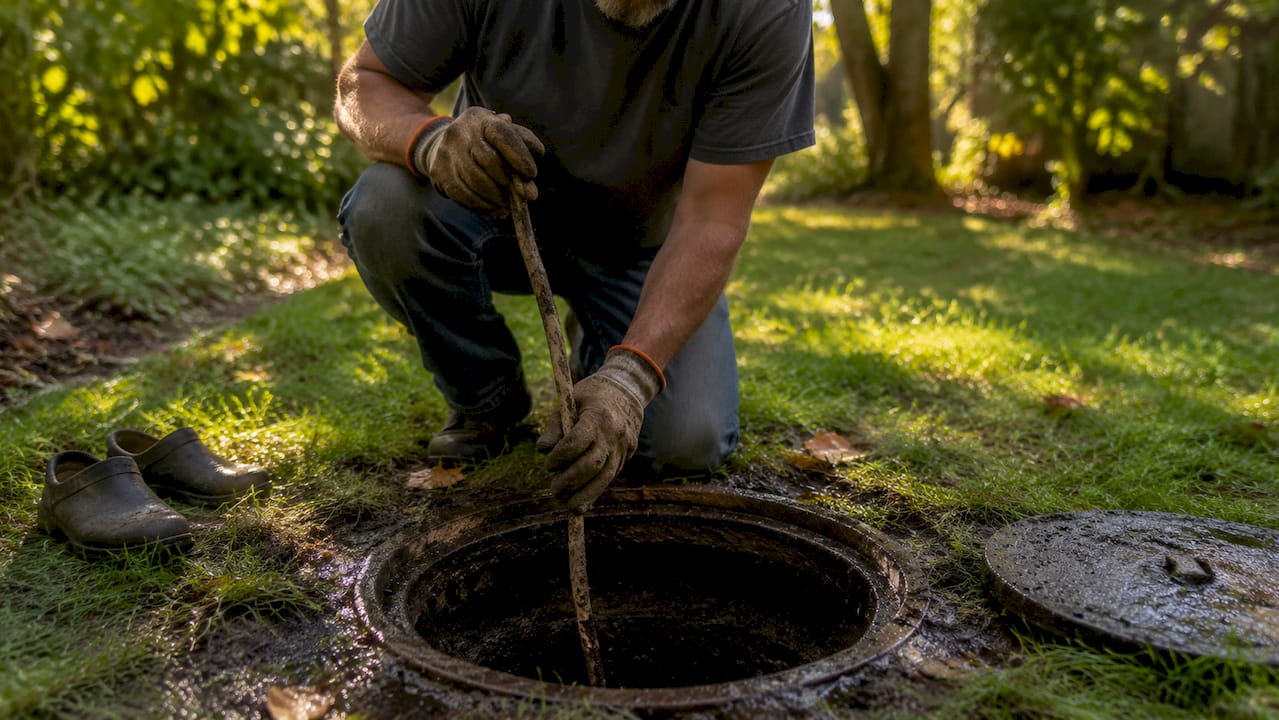
Pro Tip: Use a simple dipping stick to check sludge levels yourself. Sludge should not exceed one-third of the cesspool’s total height. If it does, call a professional immediately, regardless of when you last had it pumped.
Routine pumping every 2–3 years is the standard recommendation for most households. Grease, fats, and items labeled “flushable” are the most common causes of premature failure. Non-biodegradable materials seal the porous walls of a cesspool and prevent liquid from dispersing into the soil, accelerating the need for costly service.
Cesspool vs. septic tank: what is the real difference?
A cesspool and a septic tank are not interchangeable terms. They represent fundamentally different technologies with very different outcomes for your property and the environment.
| Feature | Cesspool | Septic Tank |
|---|---|---|
| Structure | Single underground pit | Multi-chamber tank with drain field |
| Waste treatment | None. Raw sewage seeps directly into soil | Separates solids; liquid effluent treated in drain field |
| Groundwater risk | High. Untreated waste contacts soil and water table | Lower. Effluent is partially treated before dispersal |
| Regulatory status | Being phased out in many jurisdictions | Standard and widely approved |
| Typical lifespan | 20–30 years with maintenance | 25–40 years with proper care |
| Replacement cost | $15,000–$25,000 to upgrade | $10,000–$20,000 for new installation |
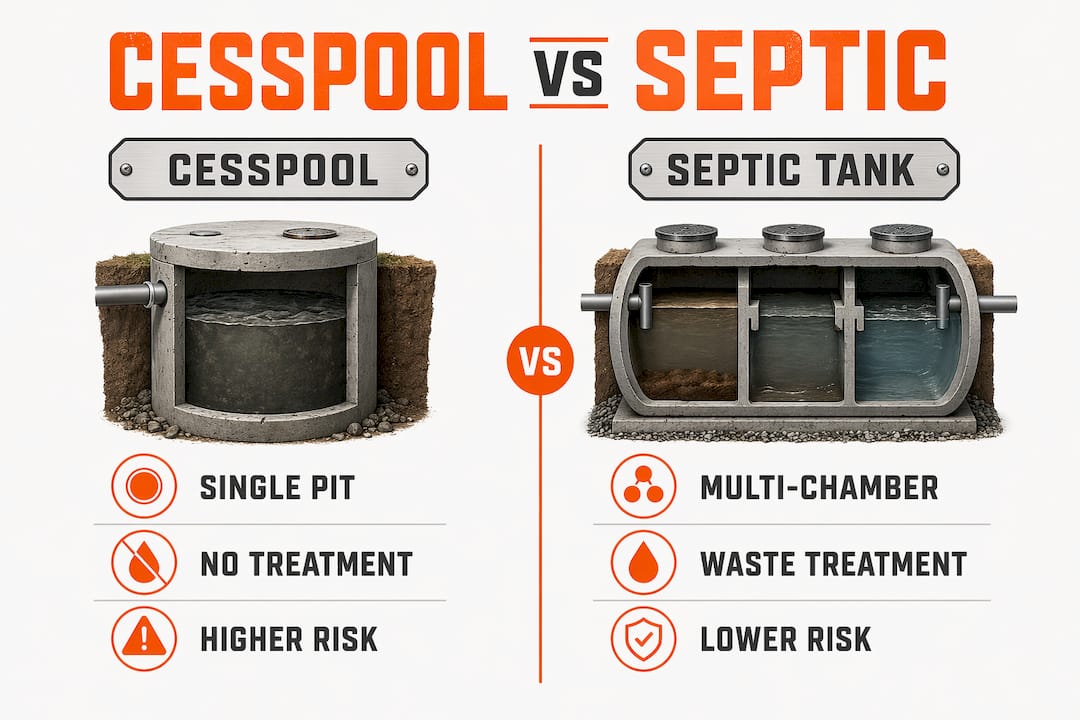
Cesspools lack the multi-stage treatment of septic systems and pose a significantly higher risk of groundwater contamination. That risk is why states like Hawaii have already mandated cesspool conversions, and why many counties across North Carolina and the broader Southeast are tightening regulations. If you want to understand your septic system options before regulations force the decision, doing so proactively puts you in a much stronger position.
One practical concern for homeowners is property value. A cesspool that is out of compliance with local codes can complicate a home sale. Meticulous service records help with property valuation and compliance, especially as regulations continue to evolve. Keeping a written log of every pumping, inspection, and repair is a simple habit that pays off when you sell or refinance.
How to care for your cesspool and prevent problems
Good cesspool maintenance is mostly about consistent habits. No single action protects your system more than a combination of regular professional service and smart daily choices.
- Schedule professional inspections annually. A licensed technician can spot early drainage issues, cracked walls, and soil saturation problems before they become emergencies.
- Pump on schedule, not on symptoms. Waiting until you smell odors or see backups means you have already let the system reach failure. Stick to the 2–3 year pumping cycle.
- Never flush non-biodegradable items. Wipes labeled “flushable,” paper towels, feminine hygiene products, and cotton swabs all contribute to clogging. Grease poured down the drain is equally destructive.
- Fix running toilets and leaking faucets immediately. A single running toilet can add 200 gallons of water per day to your system. Water conservation through low-flow fixtures and prompt leak repairs significantly extends the time between pumpings.
- Spread out laundry loads across the week. Dumping multiple large loads in one day floods the system with water faster than the soil can absorb it.
- Keep heavy vehicles and structures off the pit area. Compacted soil above the cesspool reduces its ability to disperse liquid waste.
- Avoid chemical drain cleaners. Harsh chemicals kill the beneficial bacteria that help break down organic waste inside the pit.
- Know the difference between pumping and cleaning. Routine pumping removes liquid and loose solids. Cleaning is a restorative process that addresses hardened sludge and biomat buildup when pumping alone is no longer sufficient.
Pro Tip: If pumping does not resolve slow drains, the problem is likely saturated soil around the pit, not waste volume. Drainage failure from saturated soil requires chemical treatment and soil restoration, not just another pump-out. Call a professional who can diagnose the root cause.
The advantages of regular pumping go beyond avoiding backups. A well-maintained system lasts longer, costs less over time, and gives you more control over when and how you upgrade to a modern alternative.
What are the health and environmental risks of a neglected cesspool?
A failing cesspool is not just an inconvenience. It is a direct threat to your household’s health and your neighborhood’s water supply.
Raw sewage contains pathogens including E. coli, Salmonella, Hepatitis A, and Norovirus. When a cesspool overflows or leaks into the soil, those pathogens travel through groundwater and can contaminate private wells within hundreds of feet. Families who drink from private wells near a failing system face real exposure risk, often without knowing it.
“A cesspool that is leaking untreated waste into the soil is not a maintenance issue. It is a public health issue. Groundwater contamination from a single failing system can affect neighboring properties, local streams, and drinking water sources for years.”
Inside the home, sewage backups expose your family to airborne pathogens and toxic gases including hydrogen sulfide and methane. These are not minor irritants. Prolonged exposure causes respiratory problems, and methane accumulation in enclosed spaces creates a fire risk.
From a legal standpoint, a cesspool that violates local health codes can result in fines, mandatory remediation orders, and liability if contamination affects neighboring properties. North Carolina’s environmental regulations are enforced at the county level, and Alamance County homeowners are subject to inspections that can trigger mandatory upgrades. Keeping your system in compliance and your service records current protects you legally and financially.
Key takeaways
A cesspool is an untreated waste pit that requires consistent maintenance, early monitoring, and eventual replacement to protect your home, health, and property value.
| Point | Details |
|---|---|
| Pump every 2–3 years | Routine pumping at $300–$600 prevents emergency repairs costing $3,000–$8,000 or more. |
| Watch for multiple slow drains | Simultaneous slow drainage across fixtures is the earliest reliable sign of system failure. |
| Pumping and cleaning are different | Cleaning removes hardened sludge and biomat; pumping alone cannot fix saturated soil drainage failure. |
| Cesspools carry higher health risk | Untreated waste seeping into soil contaminates groundwater and poses direct health hazards to your household. |
| Records protect your investment | Documented service history supports property value and compliance as regulations tighten. |
What i’ve learned after years of cesspool calls
I have been on enough service calls to say this plainly: most cesspool emergencies are preventable. The homeowners who call us in a panic almost always say the same thing. They noticed slow drains weeks earlier but figured it would clear up on its own.
The biggest misconception I see is that pumping fixes everything. It does not. Pumping removes what is inside the pit. It does nothing for soil that has absorbed so much liquid waste that it can no longer drain. When that happens, you need chemical treatment and sometimes full soil restoration. That is a much harder and more expensive conversation than a routine pump-out.
Water conservation is the most overlooked tool homeowners have. Fixing a running toilet, switching to low-flow showerheads, and spacing out laundry loads costs almost nothing. Those habits genuinely extend the life of your system and reduce how often you need service.
My honest recommendation: if your home has a cesspool and it is more than 20 years old, start planning for a replacement now. Do not wait for a failure to force the decision. The eco-friendly septic alternatives available today are more affordable and more efficient than most homeowners expect. Getting ahead of the timeline means you choose the system and the schedule, not the emergency.
— Jason
Jmseptic can help you maintain or upgrade your system
If you are dealing with slow drains, odors, or backups in Alamance County or the surrounding Piedmont Triad area, Jmseptic is ready to help. From routine pumping and professional inspections to full system replacements, the team at J&M Septic handles every stage of cesspool care and conversion.

Upgrading from a cesspool to a modern septic system is one of the best investments you can make in your home’s long-term value and safety. Jmseptic offers custom-designed installations built for your specific soil conditions and property layout. If you are ready to understand your options and what they cost, start with the septic installation costs for North Carolina homeowners. For immediate service needs, Jmseptic also provides new system installation and emergency repairs across Burlington, Mebane, Elon, Graham, Whitsett, and McLeansville.
FAQ
What is a cesspool and how does it work?
A cesspool is an underground pit that collects raw household sewage without treating it. Liquids seep into the surrounding soil while solids accumulate at the bottom until the pit is pumped.
How often should a cesspool be pumped?
Most cesspools require pumping every 2–3 years, with routine service costing $300–$600. Waiting longer risks overflow, backups, and emergency repairs that can exceed $8,000.
What is the difference between cesspool pumping and cleaning?
Pumping removes liquid waste and loose solids during routine maintenance. Cleaning is a restorative process that removes hardened sludge and biomat buildup when pumping alone cannot restore proper drainage.
Can a cesspool contaminate my well water?
Yes. A failing cesspool releases untreated sewage into the soil, where pathogens including E. coli and Norovirus can travel through groundwater and reach private wells within hundreds of feet.
When should i replace a cesspool with a septic system?
If your cesspool is more than 20 years old, showing repeated drainage failures, or out of compliance with local codes, replacement planning should begin now. Proactive upgrades cost significantly less than emergency-driven replacements.